

The Rise of Industrial & Commercial Energy Storage in China: Market Outlook 2025
Introduction
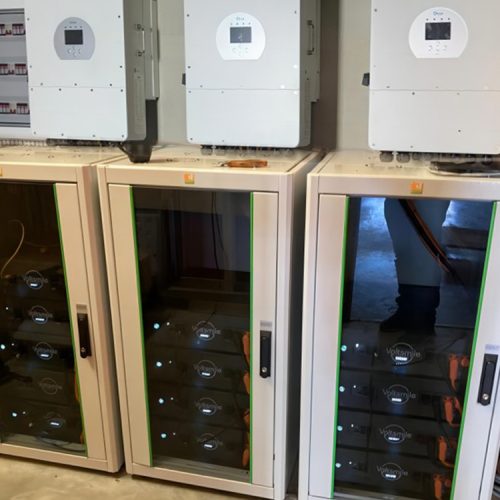
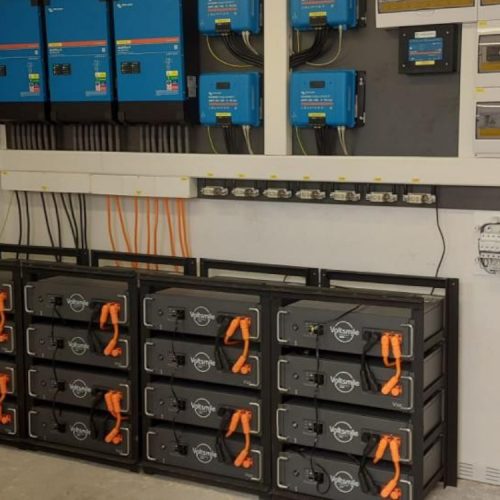
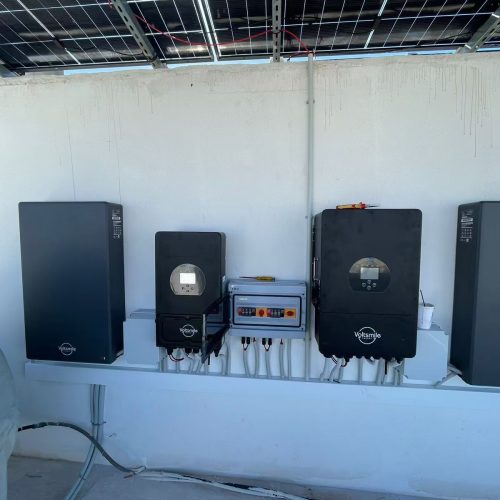
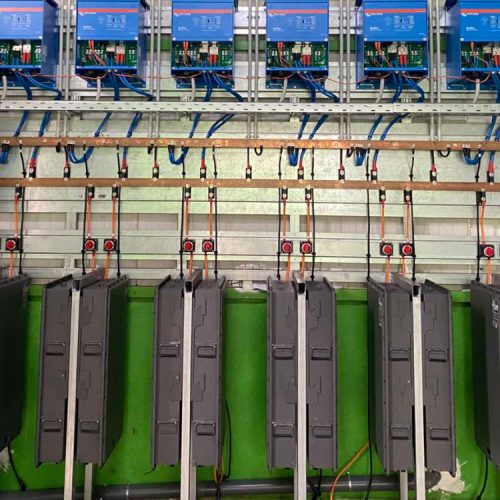
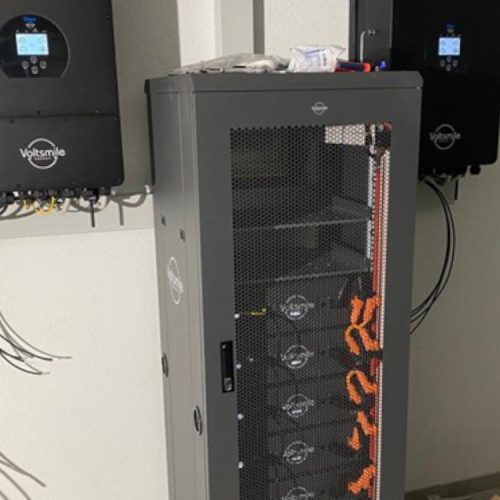
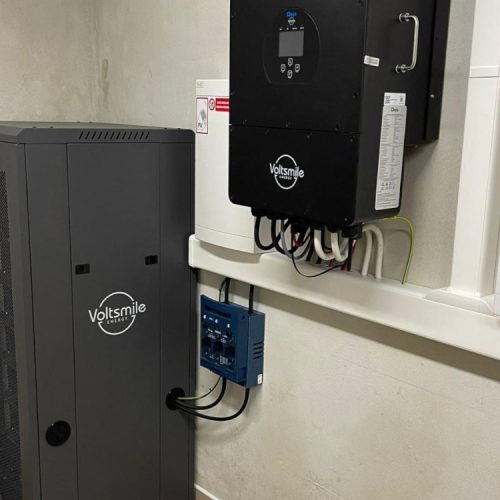
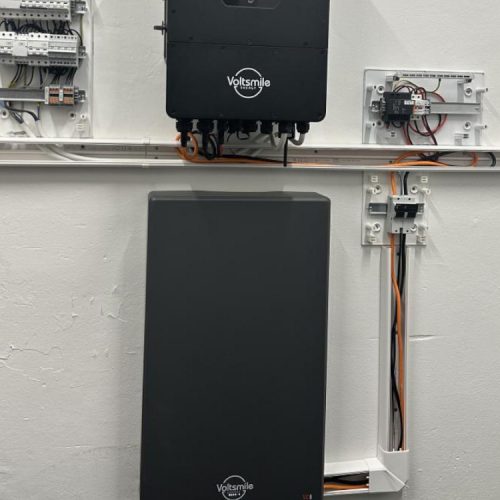
China’s industrial and commercial (I&C) energy storage sector in China is experiencing unprecedented growth, driven by rising electricity costs, policy incentives, and the urgent need for energy resilience. As of 2025, the market is projected to exceed 20 GWh annually, with Voltsmile positioned as a key innovator in scalable, AI-driven storage solutions. This article explores the technological, economic, and regulatory forces shaping China’s I&C energy storage landscape.
1. Market Dynamics: Why China Leads in I&C Energy Storage
1.1 Policy Tailwinds
- Dual Carbon Goals: China’s 2060 carbon neutrality pledge has accelerated mandates for renewable integration, with provinces like Guangdong requiring 10% storage capacity for new solar/wind projects.
- Time-of-Use (TOU) Tariffs: Expanding peak/off-peak price differentials (e.g., ¥1.50/kWh peak vs. ¥0.30/kWh off-peak in Zhejiang) make storage economically viable.
- Subsidies: Local governments offer ¥0.3–0.5/kWh incentives for peak shaving projects.
1.2 Economic Drivers
- High Industrial Power Demand: Manufacturing hubs (e.g., Jiangsu, Shandong) face 8–12% annual electricity cost increases, pushing factories toward storage.
- ROI Improvement: Advanced lithium-ion systems now achieve <5-year payback periods, down from 7+ years in 2020.
2. Key Technologies Reshaping the Sector
2.1 Lithium-Ion Dominance
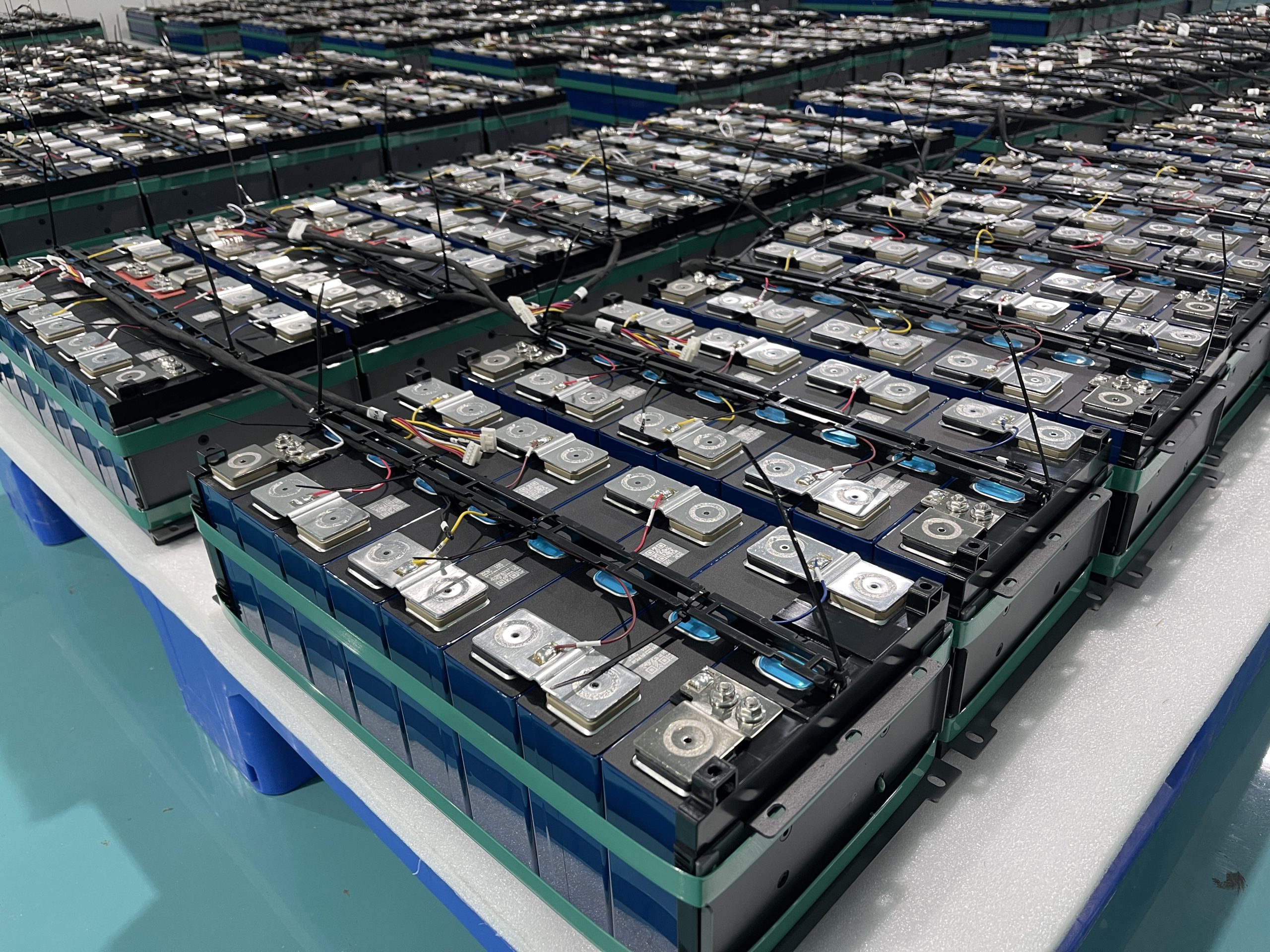
- LFP Batteries: CATL, BYD, and Voltsmile’s 300Ah+ cells dominate for safety (>5,000 cycles) and cost (¥0.8/Wh in 2025).
- Hybrid Systems: Solar+storage microgrids cut energy bills by 40–60% for textile mills in Fujian.
2.2 AI & Digitalization
- Voltsmile’s Smart EMS: Machine learning optimizes charge/discharge cycles, boosting ROI by 15–20% vs. conventional systems.
- Blockchain for P2P Trading: Pilot projects in Shenzhen enable factories to trade stored energy via provincial grids.
3. Challenges & Solutions
3.1 Grid Integration
- Frequency Regulation: Voltsmile’s 2C-rated batteries support grid stability in Inner Mongolia’s wind farms.
- Standardization: China’s GB/T 36276-2023 norms improve interoperability.
3.2 Safety & Recycling
- Thermal Runaway Prevention: Voltsmile’s ceramic-separator tech reduces fire risks by 90%.
- Closed-Loop Recycling: Partnerships with GEM enable 95%+ material recovery from retired batteries.
4. Future Trends (2025–2030)
- Sodium-Ion Commercialization: Lower-cost alternatives (¥0.5/Wh) for low-C-rate applications.
- VPP Expansion: Virtual power plants aggregating I&C storage to trade 10+ GWh daily on national markets.
- Green Hydrogen Synergy: Pilot projects coupling storage with electrolyzers in Ningxia.
Conclusion
China’s I&C energy storage market is a $12 billion opportunity by 2030, blending policy ambition with technological leaps. For factories, warehouses, and data centers, adopting systems like Voltsmile’s AI-optimized platforms is no longer optional—it’s a competitive imperative.