

Lithium-Ion Battery Storage in China: Market Trends, Innovations, and Future Outlook
Introduction
China has emerged as a global leader in lithium-ion battery (Li-ion) production and storage solutions, driven by rapid advancements in renewable energy, electric vehicles (EVs), and energy storage systems (ESS). As the world transitions toward sustainable energy, China’s dominance in Li-ion battery manufacturing and storage technology positions it as a key player in the global market. This article explores the current landscape, key innovations, challenges, and prospects of lithium-ion battery storage in China, providing valuable insights for industry stakeholders.

1. China’s Dominance in Lithium-Ion Battery Production
China accounts for over 70% of global lithium-ion battery production, with major manufacturers like CATL, BYD, and EVE Energy leading the industry. Key factors contributing to China’s dominance include:
- Government Support: Policies such as the “Made in China 2025” initiative and subsidies for EV and ESS development have accelerated growth.
- Supply Chain Control: China controls a significant portion of the raw material supply, including lithium, cobalt, and graphite.
- Economies of Scale: Large-scale production facilities reduce costs, making Chinese batteries highly competitive globally.
2. Applications of Lithium-Ion Battery Storage in China
Lithium-ion batteries are widely used across multiple sectors in China:
A. Electric Vehicles (EVs)
China is the largest EV market globally, with Li-ion batteries powering over 6 million EVs in 2024. Companies like NIO, XPeng, and Tesla (Gigafactory Shanghai) rely on domestic battery suppliers.
B. Renewable Energy Storage
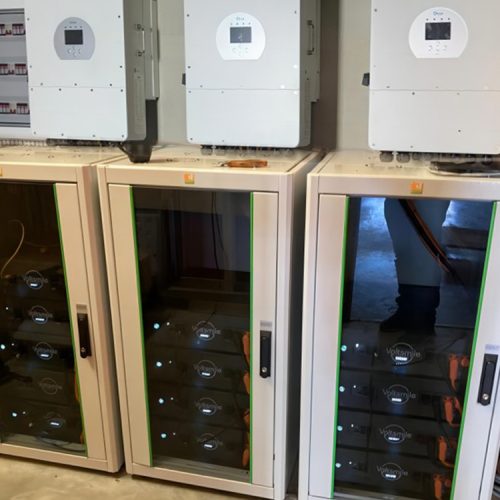
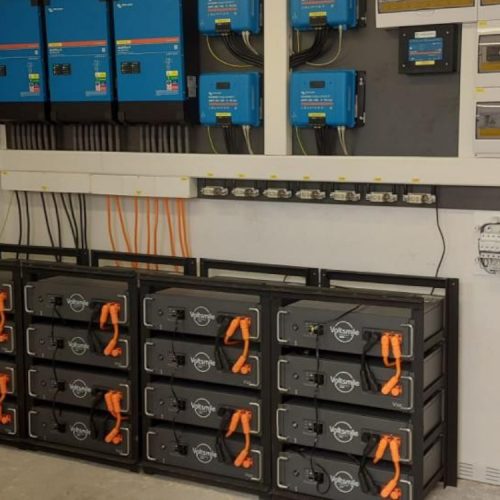
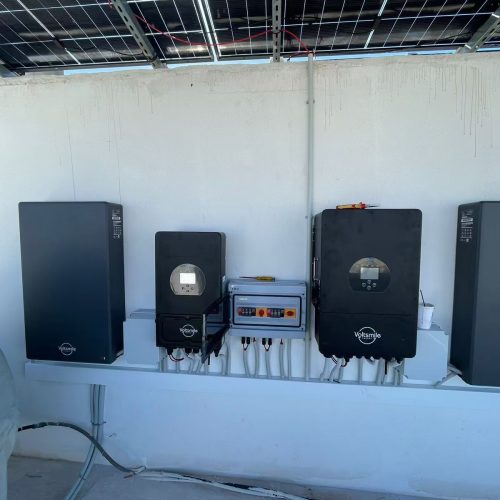
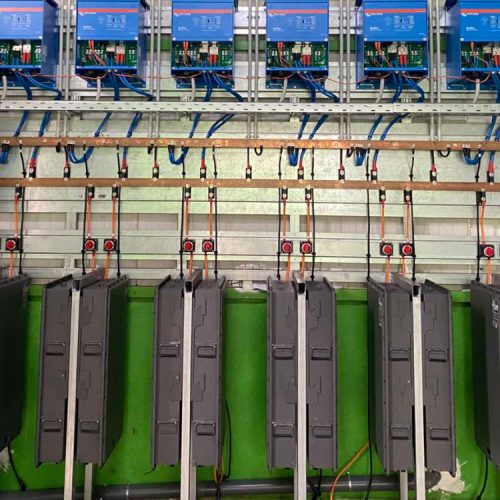
With increasing solar and wind power installations, grid-scale battery storage is essential for stabilizing energy supply. China’s National Energy Administration (NEA) has mandated large-scale ESS deployments to support renewable integration.
C. Consumer Electronics & Industrial Use
From smartphones to data centers, Li-ion batteries ensure efficient energy storage for high-demand applications.
3. Technological Innovations in China’s Li-ion Battery Industry
Chinese companies are at the forefront of battery innovation:
- Solid-State Batteries: CATL and BYD are investing in next-gen solid-state batteries, offering higher energy density and safety.
- Sodium-Ion Batteries: As an alternative to lithium, sodium-ion batteries are being developed to reduce dependency on scarce resources.
- Recycling & Sustainability: Companies like GEM Co. are pioneering battery recycling to minimize environmental impact.
4. Challenges Facing the Industry
Despite rapid growth, China’s Li-ion battery sector faces hurdles:
- Raw Material Dependence: Limited domestic lithium reserves necessitate imports, creating supply chain vulnerabilities.
- Safety Concerns: Battery fires in EVs and storage systems raise regulatory scrutiny.
- Global Competition: The U.S. and EU are investing heavily in domestic battery production to reduce reliance on China.
5. Future Outlook & Market Projections
The Chinese lithium-ion battery storage market is projected to grow at a CAGR of 18% from 2025 to 2030, driven by:
- Expansion of Renewable Energy Projects
- Government-Backed ESS Deployments
- Advancements in Fast-Charging & Long-Lasting Batteries
Conclusion
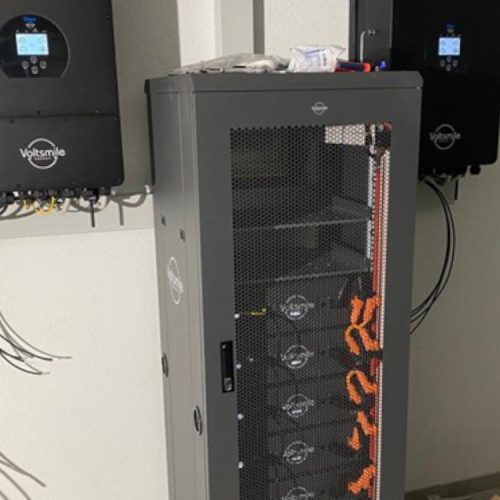
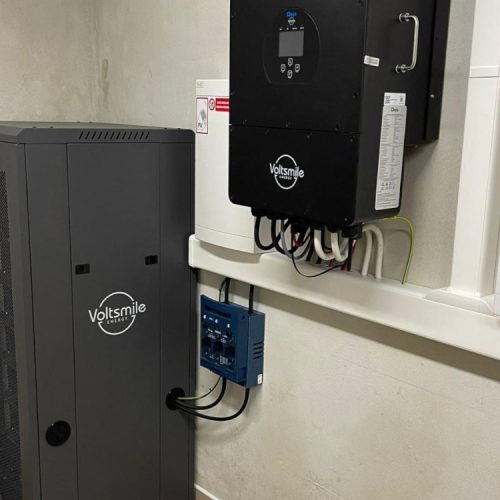
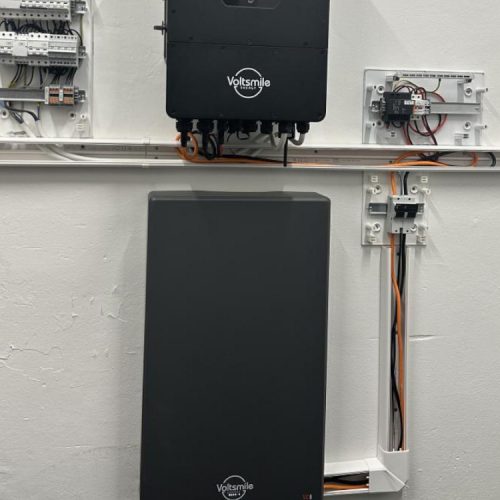
China’s lithium-ion battery storage industry is a cornerstone of the global energy transition. With strong government backing, technological leadership, and a robust supply chain, China is set to maintain its dominance while addressing sustainability and safety challenges. Businesses like Voltsmile can leverage these trends to innovate and expand in this dynamic market.