

The Rise of Solar Power Batteries in China: A Comprehensive Guide for Voltsmile
Introduction
China has emerged as a global leader in renewable energy, particularly in solar power and energy storage solutions. As the demand for sustainable energy grows, solar power batteries have become a cornerstone of China’s green energy strategy. For companies like Voltsmile, specializing in cutting-edge energy storage, understanding the Chinese solar battery market is crucial. This article explores the latest trends, technologies, and opportunities in China’s solar power battery sector.

1. Why China Dominates the Solar Power Battery Market
China’s solar power battery industry thrives due to:
- Government Support: Policies like the 14th Five-Year Plan prioritize renewable energy, with subsidies for solar storage projects.
- Manufacturing Scale: China produces 70% of the world’s lithium-ion batteries, driving down costs.
- Technological Innovation: Companies like CATL and BYD lead in high-capacity, long-lifecycle batteries.
2. Key Technologies in China’s Solar Batteries
a) Lithium-Ion Batteries
- Dominates the market with >90% adoption in solar storage.
- Advantages: High energy density, longer lifespan (10–15 years).
b) Flow Batteries
- Ideal for grid-scale storage (e.g., Vanadium Redox Flow Batteries).
- Growing demand due to scalability and safety.
c) Solid-State Batteries
- Emerging technology with higher safety and energy efficiency.
- Chinese researchers are accelerating R&D to commercialize by 2030.
3. Top Chinese Solar Battery Manufacturers
- CATL (Contemporary Amperex Technology) – World’s largest battery producer.
- BYD – Integrates solar panels with battery storage systems.
- EVE Energy – Specializes in home energy storage solutions.
- Pylontech – Focuses on modular lithium batteries for solar.
4. Applications of Solar Power Batteries in China
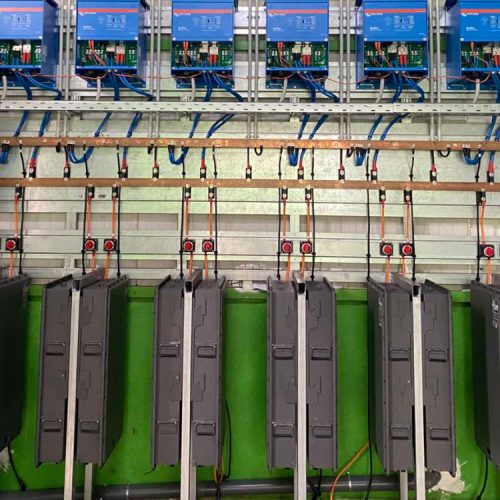
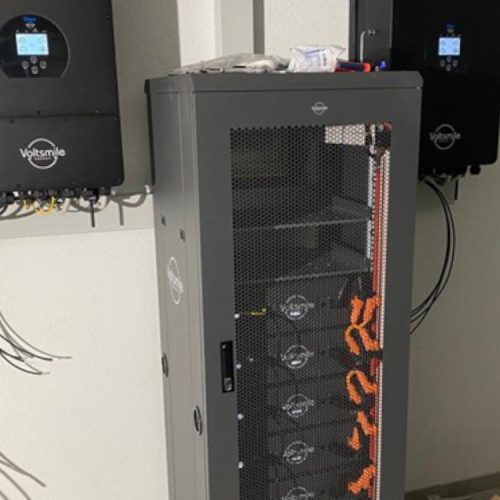
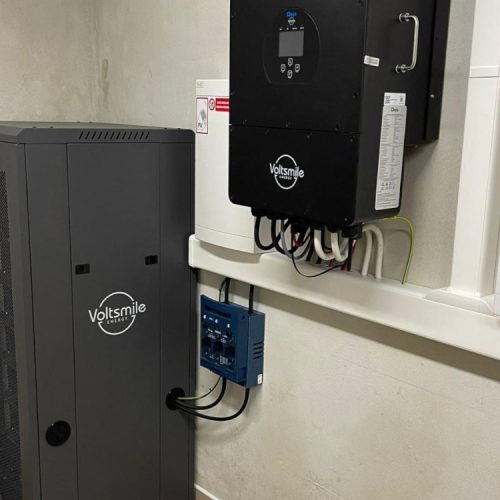
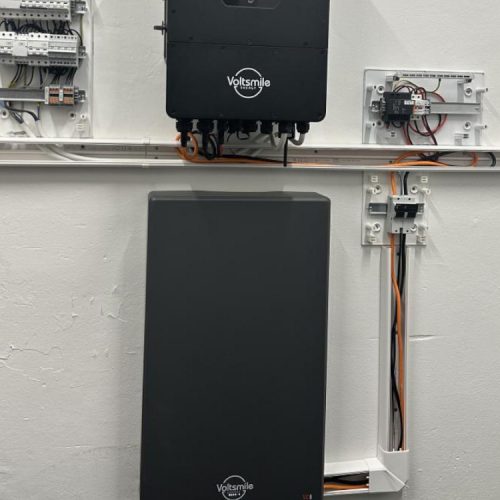
- Residential Storage: Homeowners use 5–10kWh systems to reduce grid reliance.
- Commercial/Industrial: Factories adopt megawatt-scale storage to cut energy costs.
- Utility-Scale Projects: Solar farms pair with batteries to stabilize grids (e.g., Qinghai 2.2GWh project).
5. Challenges and Future Trends
- Raw Material Costs: Fluctuations in lithium and cobalt prices affect affordability.
- Recycling Infrastructure: China is expanding battery recycling to meet its 2030 sustainability goals.
- AI Integration: Smart batteries with predictive analytics will dominate by 2030.
Conclusion
China’s solar power battery market offers Voltsmile unparalleled opportunities across residential and industrial applications. By leveraging China’s manufacturing prowess and policy incentives, Voltsmile can position itself as a key player in the global energy storage revolution.