

Off-Grid Battery and Solar Systems: The Ultimate Guide for Sustainable Energy Independence
Introduction
In an era where energy independence and sustainability are paramount, off-grid battery and solar systems have emerged as a game-changing solution. Voltsmile is at the forefront of this revolution, providing cutting-edge off-grid solar power solutions that ensure reliability, efficiency, and long-term cost savings.
This comprehensive guide explores the benefits, components, and key considerations of off-grid solar and battery systems, helping you make an informed decision for your energy needs.

What Is an Off-Grid Solar and Battery System?
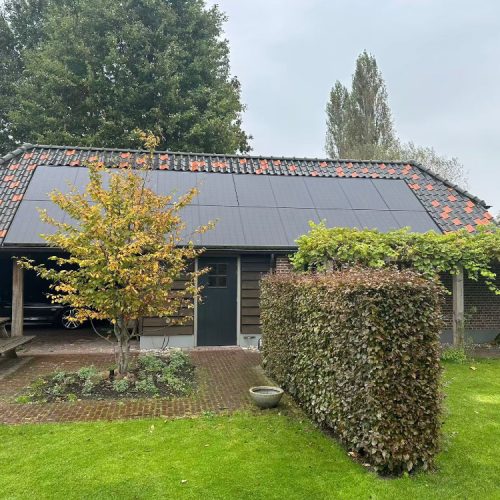
An off-grid solar and battery system operates independently of the traditional power grid, relying solely on solar panels, batteries, and inverters to generate and store electricity. Unlike grid-tied systems, off-grid setups provide complete energy autonomy, making them ideal for remote locations, rural properties, and eco-conscious homeowners.
Key Components of an Off-Grid System
- Solar Panels – Convert sunlight into DC electricity.
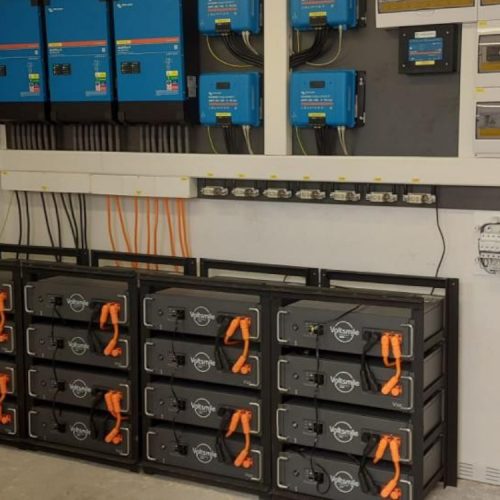
- Charge Controller – Regulates battery charging to prevent overcharging.
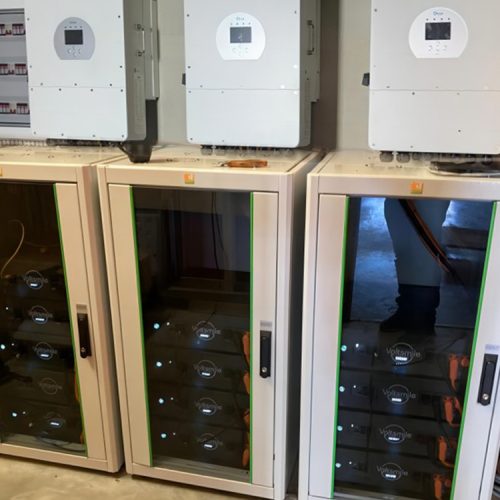
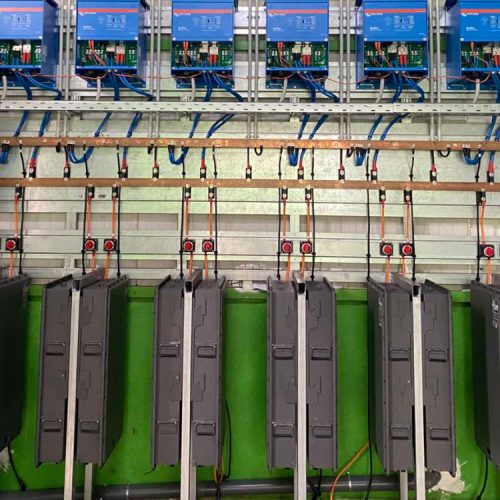
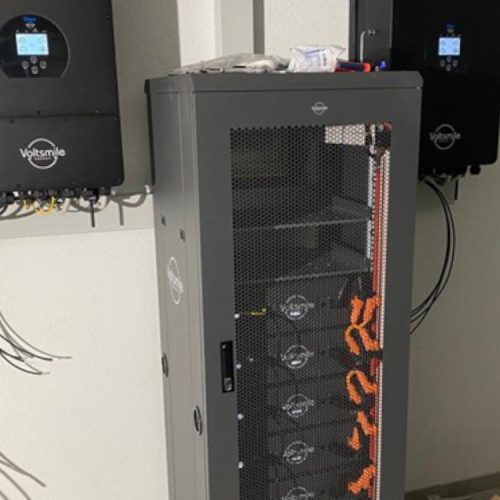
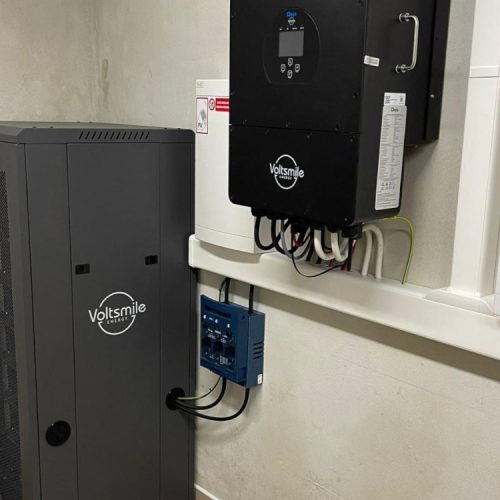
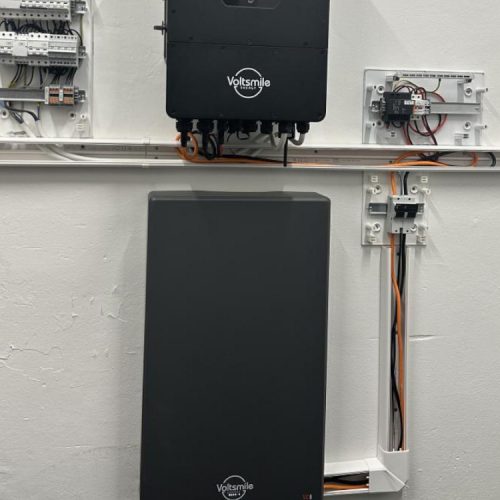
- Battery Bank – Stores excess energy for use during non-sunny periods.
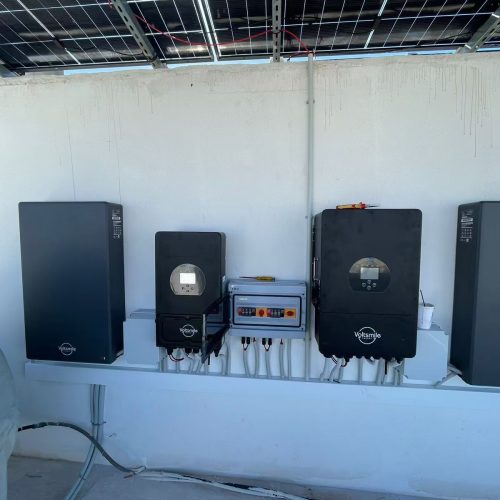
- Inverter – Converts DC power from batteries into usable AC power.
- Backup Generator (Optional) – Provides additional power during extended low-sun conditions.
Why Choose an Off-Grid Solar and Battery System?
1. Energy Independence
- No reliance on utility companies.
- Protection against power outages and rising electricity costs.
2. Environmental Sustainability
- Reduces carbon footprint by using 100% renewable energy.
- Minimizes dependence on fossil fuels.
3. Cost Savings Over Time
- Eliminates monthly electricity bills.
- Government incentives and tax credits may apply.
4. Ideal for Remote Locations
- Perfect for cabins, farms, and off-grid homes where grid connection is impractical.
Choosing the Right Off-Grid Battery for Your Solar System
Types of Off-Grid Batteries
- Lead-Acid Batteries
- Affordable but requires regular maintenance.
- Shorter lifespan compared to lithium-ion.
- Lithium-Ion Batteries
- Higher efficiency, longer lifespan (10+ years).
- Lightweight and maintenance-free.
- Saltwater Batteries
- Eco-friendly, non-toxic, and fully recyclable.
- Still an emerging technology with higher upfront costs.
Key Battery Considerations
- Capacity (kWh) – Determines how much energy can be stored.
- Depth of Discharge (DoD) – How much battery capacity can be used before recharging.
- Cycle Life – Number of charge-discharge cycles before performance declines.
Designing an Efficient Off-Grid Solar System
1: Calculate Your Energy Needs
- List all appliances and their wattage.
- Estimate daily energy consumption (kWh).
2: Determine Solar Panel Requirements
- Based on sunlight availability (peak sun hours).
- Higher wattage panels reduce the number needed.
3: Select the Right Battery Bank
- Must store enough energy for 2-3 days of autonomy.
- Lithium-ion is recommended for long-term efficiency.
4: Choose a High-Quality Inverter
- Pure sine wave inverters ensure compatibility with sensitive electronics.
Maintenance and Longevity of Off-Grid Systems
- Regularly clean solar panels to maximize efficiency.
- Monitor battery health to prevent deep discharges.
- Check wiring and connections for corrosion or wear.
Conclusion
Investing in an off-grid battery and solar system from Voltsmile ensures energy independence, sustainability, and long-term savings. Whether for a remote cabin, eco-home, or emergency backup, our advanced solutions provide reliable, clean energy without grid dependency.
Ready to go off-grid? Contact Voltsmile today for a customized solar and battery solution!