

The Future of Energy: How Battery Energy Storage Systems Are Revolutionizing Power Management
Introduction to Battery Energy Storage Systems (BESS)
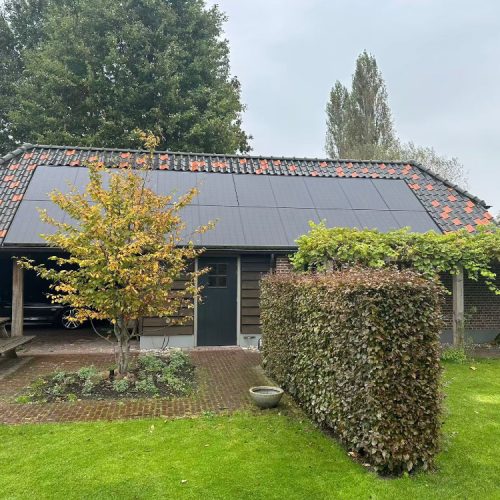
In today’s rapidly evolving energy landscape, Battery Energy Storage Systems (BESS) have emerged as a transformative technology for power management. Voltsmile, as an industry leader in energy solutions, recognizes the critical role BESS plays in modernizing our electrical grids and enabling renewable energy integration. These sophisticated systems store electrical energy through electrochemical solutions, allowing for efficient energy dispatch when demand peaks or generation fluctuates.
The global BESS market is experiencing exponential growth, projected to reach $20 billion by 2027, with a compound annual growth rate of 32%. This surge is driven by increasing renewable energy penetration, grid modernization initiatives, and the growing need for energy resilience across commercial and industrial sectors.

Core Components of a Modern BESS
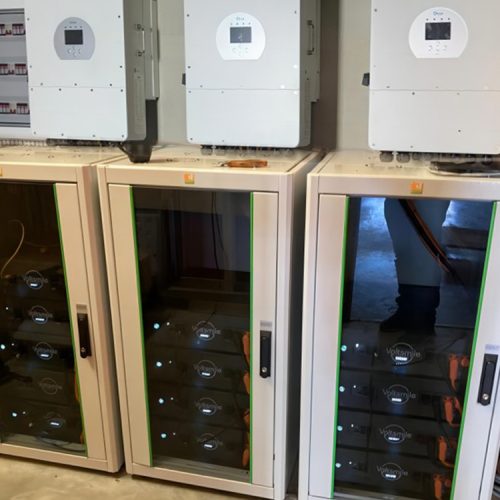
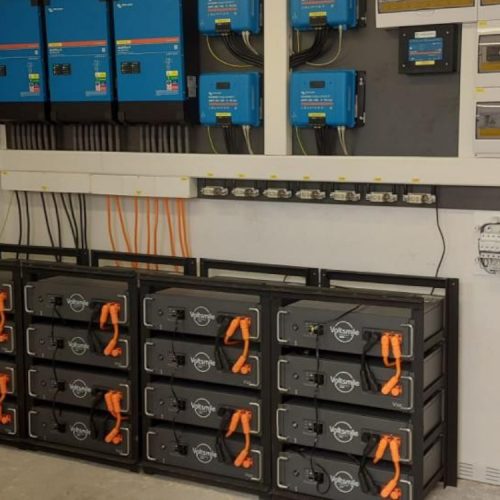
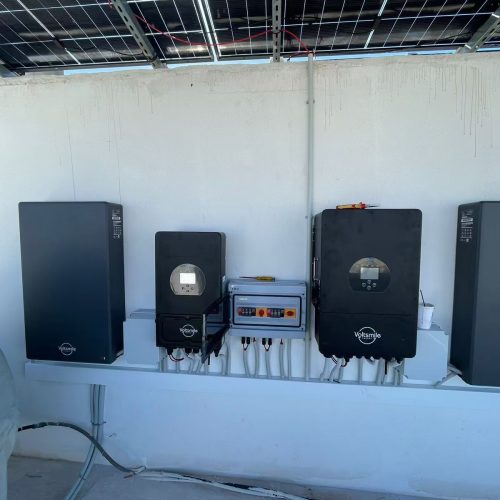
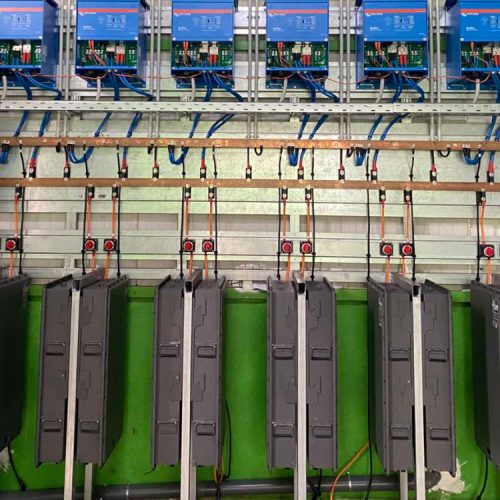
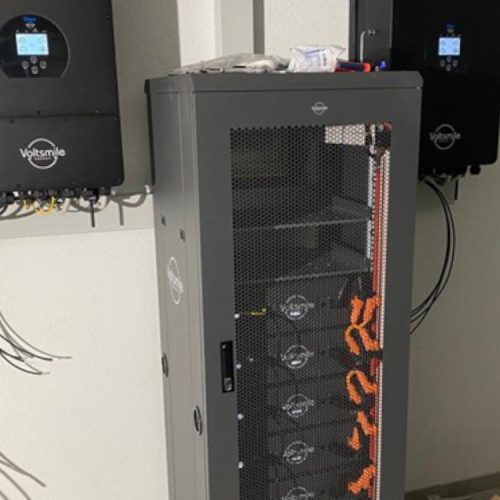
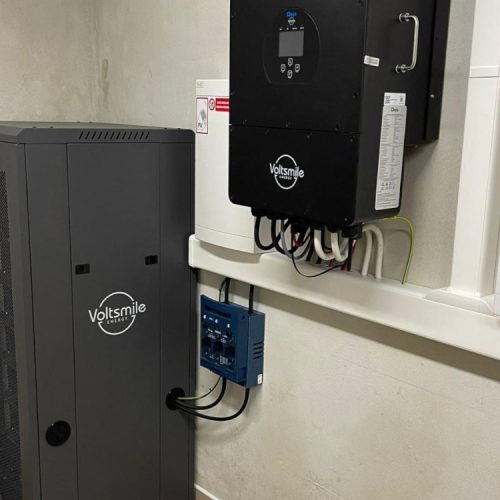
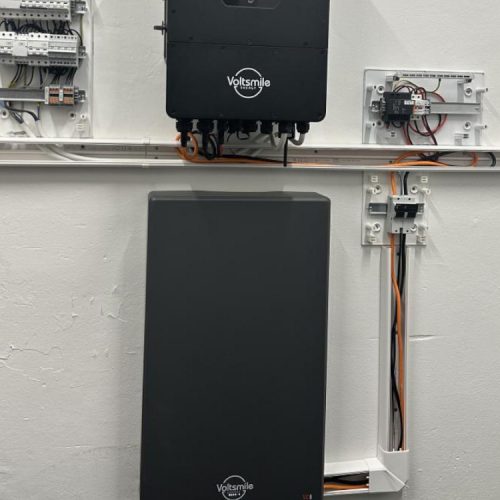
A state-of-the-art Battery Energy Storage System comprises several integrated components that work in harmony:
- Battery Cells and Modules: The heart of any BESS, these store electrical energy chemically. Lithium-ion batteries currently dominate the market due to their high energy density and efficiency, though alternatives like flow batteries are gaining traction for specific applications.
- Power Conversion System (PCS): This critical component manages the bidirectional flow of electricity, converting DC from the batteries to AC for grid use and vice versa. Modern PCS units achieve conversion efficiencies exceeding 95%.
- Battery Management System (BMS): Voltsmile’s advanced BMS continuously monitors cell voltage, temperature, and state of charge, ensuring optimal performance and safety throughout the battery’s lifecycle.
- Energy Management System (EMS): The “brain” of the operation, EMS uses sophisticated algorithms to determine when to store or dispatch energy based on market conditions, grid demands, and system constraints.
- Thermal Management System: Essential for maintaining optimal operating temperatures, this system can account for up to 15% of a BESS’s total weight but is crucial for longevity and safety.
Key Applications Transforming the Energy Sector
Battery Energy Storage Systems are unlocking new possibilities across multiple domains:
Grid Services and Stability
BESS provides essential grid services including frequency regulation, voltage support, and spinning reserve. These capabilities are becoming increasingly valuable as grids incorporate higher percentages of variable renewable generation. A single 100MW/400MWh BESS can provide the same frequency response as a 200MW gas peaker plant but with near-instantaneous response times.
Renewable Energy Integration
Solar and wind farms paired with storage can deliver firm, dispatchable power. Voltsmile’s analysis shows that co-locating a 4-hour storage system with a solar PV plant can increase its capacity value by up to 40%, making renewable projects more bankable and grid-friendly.
Commercial and Industrial Applications
For businesses, BESS offers:
- Demand charge management (reducing peak demand charges by 20-40%)
- Backup power solutions (seamless transition during outages)
- Energy arbitrage (storing cheap off-peak energy for peak use)
Microgrids and Remote Power
Battery storage is enabling energy independence for island communities, military bases, and remote industrial sites. When combined with renewables, these systems can reduce diesel consumption by over 70% while improving power quality.
Technological Advancements Driving the Industry Forward
The BESS sector is witnessing remarkable technological progress:
- Next-Generation Battery Chemistries: While lithium-ion remains dominant, new formulations like lithium iron phosphate (LFP) offer improved safety and longevity. Emerging technologies such as solid-state batteries promise even greater energy densities and faster charging.
- Advanced System Architectures: Modular, containerized solutions allow for rapid deployment and scalability. Voltsmile’s latest systems feature plug-and-play designs that reduce installation time by 60% compared to traditional approaches.
- AI-Driven Optimization: Machine learning algorithms are revolutionizing how BESS operates, predicting energy patterns with 90%+ accuracy and optimizing charge/dispatch cycles for maximum economic benefit.
- Second-Life Applications: As EV batteries retire (typically at 70-80% original capacity), they’re finding new purpose in stationary storage, creating a circular economy that reduces system costs by up to 40%.
Economic and Environmental Benefits
The value proposition of BESS extends across financial and sustainability metrics:
Cost Savings
- Reduced peak demand charges (20-60% savings for commercial users)
- Avoided transmission upgrades (200−500/kW-year in congested areas)
- Lower ancillary service costs for grid operators
Revenue Opportunities
- Participation in wholesale energy markets
- Provision of grid services (frequency regulation, capacity)
- Enhanced renewable energy project economics
Environmental Impact
- Enables higher renewable penetration (each MWh of storage can integrate 3-4MWh of additional renewables)
- Reduces reliance on fossil fuel peakers (avoiding 0.5-1.0 tons CO2/MWh)
- Decreases curtailment of renewable generation (up to 30% reduction in some markets)
Challenges and Solutions in BESS Implementation
While promising, BESS deployment faces several hurdles:
- Regulatory Barriers: Outdated market rules often prevent storage from providing its full value. Voltsmile actively works with policymakers to develop storage-friendly regulations that recognize its unique capabilities.
- Safety Concerns: High-profile battery fires have raised safety questions. Modern systems incorporate multiple protection layers including advanced thermal runaway detection, fire suppression systems, and physical segregation of modules.
- Financing Challenges: The upfront cost remains a barrier despite falling prices. Innovative financing models like Storage-as-a-Service are emerging, where customers pay only for the storage they use without capital expenditure.
- Supply Chain Constraints: Critical mineral shortages and manufacturing bottlenecks can delay projects. Voltsmile’s diversified supply chain and strategic partnerships ensure reliable component availability.
The Future Outlook for Battery Storage
The trajectory for BESS is overwhelmingly positive:
- Cost Reductions: Industry projections suggest battery pack prices will fall below $80/kWh by 2025, making storage competitive in nearly all applications.
- Market Expansion: Beyond traditional strongholds like California and Australia, emerging markets in Asia, Africa, and South America are adopting storage solutions.
- Technology Convergence: The integration of BESS with other technologies like hydrogen production and carbon capture will create hybrid systems with unprecedented flexibility.
- Policy Support: Governments worldwide are implementing storage mandates and incentives, with over 30 countries now having specific storage deployment targets.
Conclusion: Voltsmile’s Vision for the Energy Future
As the energy transition accelerates, Battery Energy Storage Systems will play an increasingly central role in creating a sustainable, reliable, and cost-effective power system. Voltsmile remains at the forefront of this revolution, delivering cutting-edge BESS solutions tailored to each customer’s unique needs.
Our commitment to innovation, safety, and performance ensures that our storage systems not only meet today’s challenges but are future-proofed for tomorrow’s opportunities. Whether enabling renewable integration, providing grid services, or empowering businesses to take control of their energy costs, Voltsmile’s BESS solutions represent the smart choice for a electrified future.