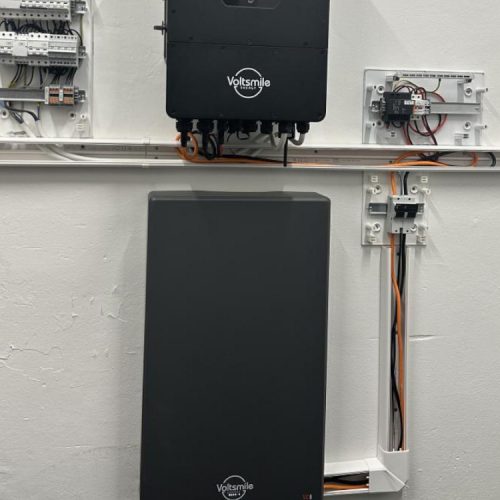


Energy Storage Battery CE Compliance: A Complete Guide for Voltsmile
Introduction
Energy storage battery is revolutionizing renewable energy systems, and CE compliance is a critical requirement for market access in the European Union. As a leading innovator, Voltsmile must ensure its energy storage solutions meet stringent CE standards for safety, performance, and environmental sustainability. This article explores the CE certification process, key directives, and how Voltsmile can leverage compliance for competitive advantage.

1. Why CE Compliance Matters for Energy Storage Batteries
The CE mark signifies conformity with EU health, safety, and environmental regulations. For energy storage batteries, compliance ensures:
- Market Access: Legal entry into the EU and EEA markets.
- Safety Assurance: Mitigates risks of overheating, short circuits, and chemical leaks.
- Consumer Trust: Enhances brand credibility and product reliability.
- Regulatory Alignment: Meets directives like the Low Voltage Directive (LVD), Electromagnetic Compatibility (EMC) Directive, and RoHS/REACH.
Example: Non-compliant batteries face recalls, fines, or bans—Voltsmile’s proactive approach avoids these pitfalls.
2. Key CE Directives for Energy Storage Batteries
A. Low Voltage Directive (LVD) 2014/35/EU
Covers electrical safety for batteries operating between 50V–1000V AC or 75V–1500V DC. Voltsmile must ensure:
- Insulation resistance and protection against electric shock.
- Robust design for thermal and mechanical stress.
B. EMC Directive 2014/30/EU
Ensures batteries don’t emit excessive electromagnetic interference or suffer from external disturbances. Testing includes:
- Conducted/radiated emissions.
- Immunity to electrostatic discharge (ESD) and surges.
C. RoHS & REACH
- RoHS 3 (2015/863): Restricts hazardous substances (e.g., lead, cadmium).
- REACH (EC 1907/2006): Addresses chemical safety across the supply chain.
3. Steps to Achieve CE Compliance for Voltsmile
- Product Classification: Determine applicable directives (e.g., LVD for lithium-ion batteries).
- Risk Assessment: Identify hazards via EN 62619 (safety for industrial batteries) or IEC 62133 (portable batteries).
- Testing & Documentation:
- Engage a Notified Body for critical assessments.
- Compile a Technical File with design specs, test reports, and risk analyses.
- Affix the CE Mark: Only after full conformity is verified.
4. Benefits of CE Compliance for Voltsmile’s Market Strategy
- Competitive Edge: Differentiates Voltsmile as a compliant, high-quality provider.
- Sustainability Alignment: Meets EU Green Deal goals for eco-design and circular economy.
- Future-Proofing: Prepares for evolving standards like the EU Battery Regulation 2023.
5. Common Challenges & How Voltsmile Can Address Them
- Cost Management: Partner with accredited labs for cost-effective testing.
- Regulatory Updates: Assign a compliance officer to monitor EU amendments.
- Supply Chain Transparency: Audit suppliers for RoHS/REACH adherence.
Conclusion
CE compliance is non-negotiable for Voltsmile’s energy storage batteries to thrive in the EU market. By adhering to LVD, EMC, and RoHS directives, Voltsmile can ensure safety, avoid penalties, and build trust with global customers. Investing in compliance today secures long-term growth and innovation leadership.