

Residential Energy Storage Systems in China: Market Trends and Future Outlook
Introduction
China’s residential energy storage systems market is experiencing rapid growth, driven by increasing electricity demand, government incentives, and the global push toward renewable energy. As a leading player in the energy storage industry, Voltsmile is at the forefront of providing innovative Residential Energy Storage Systems (RESS) that enhance energy independence, reduce costs, and support sustainable living. This article explores the current landscape of Residential Energy Storage Systems in China, key market drivers, technological advancements, and future opportunities for homeowners and businesses.

1. The Growing Demand for Residential Energy Storage in China
China’s residential energy storage sector is expanding due to several factors:
1.1 Rising Electricity Costs & Power Instability
- Increasing electricity tariffs in major cities encourage homeowners to adopt battery storage solutions to reduce reliance on the grid.
- Frequent power shortages in rural areas make RESS a necessity for an uninterrupted power supply.
1.2 Government Policies & Incentives
- China’s “Dual Carbon” goals (peak carbon by 2030, carbon neutrality by 2060) promote renewable energy adoption.
- Subsidies for solar-plus-storage systems under the National Energy Administration (NEA) policies.
1.3 Growth of Distributed Solar Power
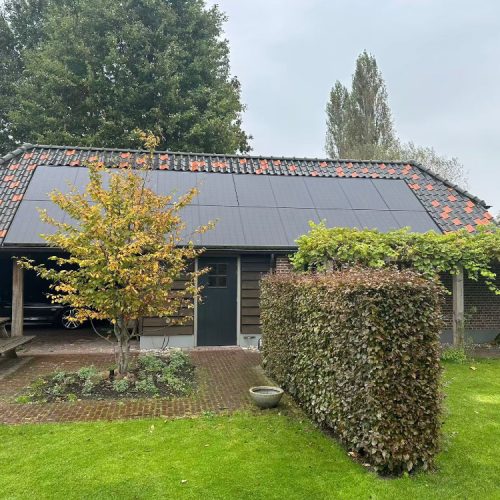
- The booming rooftop solar market increases demand for home battery storage to store excess solar energy.
- Net metering policies are becoming less favorable, making RESS a smarter investment.
2. Key Technologies in China’s Residential Energy Storage Market
2.1 Lithium-Ion Batteries Dominate the Market
- Lithium Iron Phosphate (LFP) batteries are the preferred choice due to safety, long lifespan (10+ years), and high efficiency.
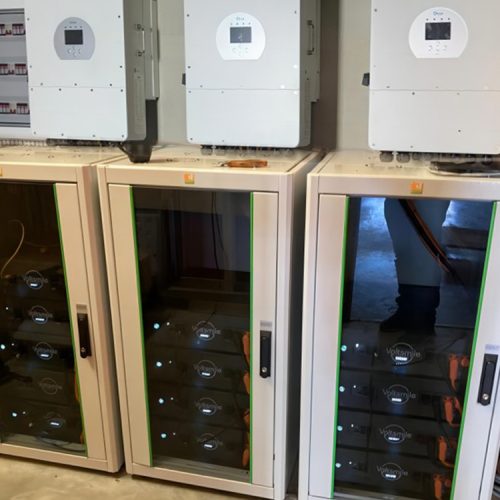
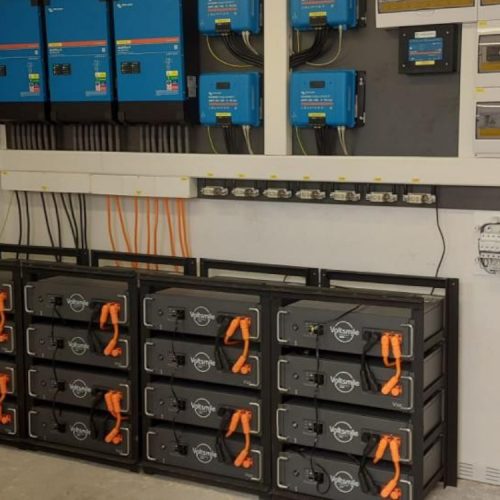
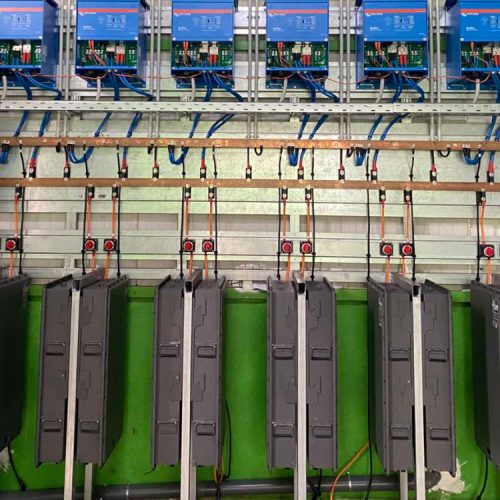
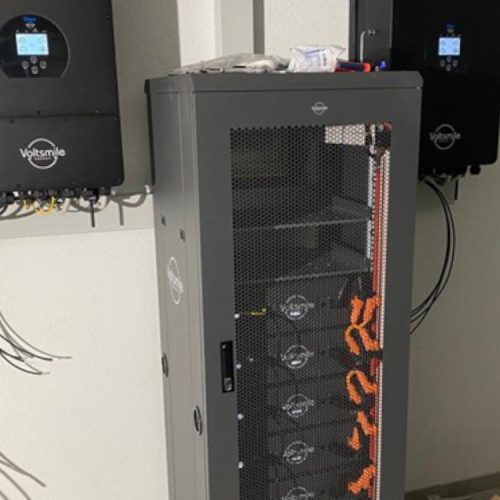
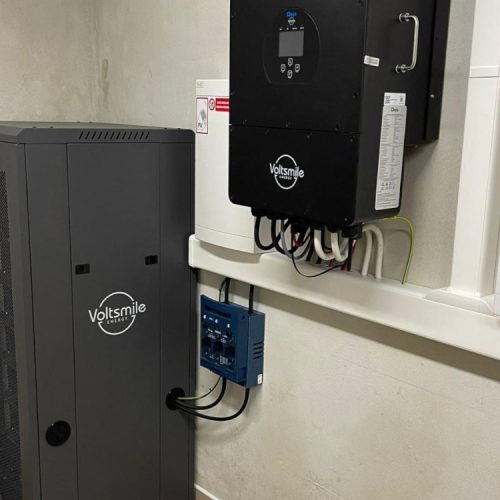
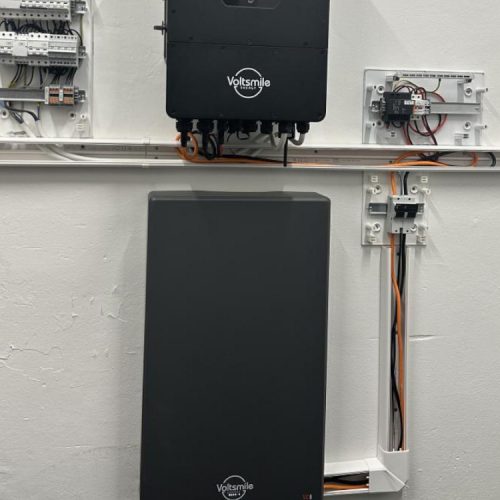
- Voltsmile’s advanced LFP solutions offer modular designs, allowing homeowners to scale storage capacity as needed.
2.2 Hybrid Inverter Systems
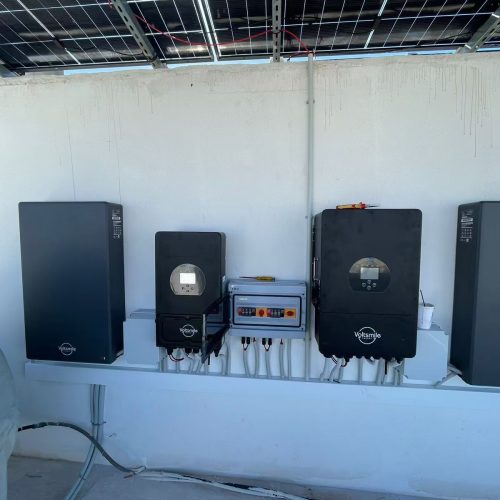
- Modern RESS integrates hybrid inverters, enabling seamless switching between solar, battery, and grid power.
- Voltsmile’s smart inverters support AI-driven energy management, optimizing consumption based on real-time data.
2.3 Smart Energy Management Systems (EMS)
- AI-powered EMS allows users to monitor and control energy usage via mobile apps.
- Demand response capabilities help homeowners sell excess energy back to the grid, improving ROI.
3. Market Challenges & Solutions
3.1 High Initial Costs
- While RESS requires significant upfront investment, declining battery prices (down ~80% in the last decade) make it more affordable.
- Voltsmile offers flexible financing options, including leasing and pay-as-you-go models.
3.2 Lack of Consumer Awareness
- Many homeowners are unaware of RESS benefits.
- Voltsmile’s educational campaigns and government partnerships help bridge this gap.
3.3 Regulatory Barriers
- Some regions impose restrictions on grid-connected storage.
- Voltsmile works with policymakers to advocate for pro-storage regulations.
4. Future Outlook for Residential Energy Storage in China
4.1 Market Growth Projections
- China’s RESS market is expected to grow at a CAGR of 25%+ from 2025 to 2030.
- Voltsmile aims to capture 15% market share by expanding production and distribution networks.
4.2 Emerging Trends
- Vehicle-to-Home (V2H) technology allows EV batteries to power homes during outages.
- Community energy storage models enable neighborhoods to share storage resources.
4.3 Voltsmile’s Vision
- Expanding into Tier 2 & 3 cities where energy demand is rising.
- Developing next-gen solid-state batteries for higher efficiency and safety.
Conclusion
Residential Energy Storage Systems (RESS) in Chinese market present immense opportunities for homeowners seeking energy independence and cost savings. With Voltsmile’s cutting-edge LFP batteries, smart inverters, and AI-driven energy management, the future of sustainable living is within reach.
As the market evolves, Voltsmile remains committed to innovation, affordability, and customer education, ensuring that more households benefit from clean, reliable, and efficient energy storage solutions.