

Lead Acid Replacement in China: The Future of Energy Storage with Voltsmile
Introduction
In the rapidly evolving energy storage industry, China stands at the forefront of innovation, particularly in lead-acid battery replacement solutions. As industries and consumers shift toward more efficient, sustainable, and cost-effective energy storage, Voltsmile emerges as a key player in providing cutting-edge alternatives to traditional lead-acid batteries.
This article explores the benefits of lead-acid battery replacement, the growing demand in China, and how Voltsmile’s advanced lithium-ion and other next-gen battery technologies are revolutionizing the market.

Why Replace Lead-Acid Batteries?
Lead-acid batteries have been a staple for decades, but their limitations are becoming increasingly apparent:
- Lower Energy Density – Lead-acid batteries are bulky and heavy compared to modern alternatives like lithium-ion.
- Shorter Lifespan – They typically last 3-5 years, whereas lithium-ion batteries can exceed 10 years.
- Maintenance Requirements – Lead-acid batteries need regular water refilling and terminal cleaning.
- Environmental Concerns – Lead is toxic, and improper disposal poses serious ecological risks.
- Slow Charging – They take significantly longer to recharge than lithium-based alternatives.
Given these drawbacks, industries across China are transitioning to high-performance, eco-friendly replacements.
The Rise of Lead-Acid Replacement in China
China is the world’s largest market for energy storage, driven by:
- Government Policies – China’s “Dual Carbon” goals (peak carbon by 2030, carbon neutrality by 2060) are accelerating the shift to green energy storage.
- EV & Renewable Energy Boom – The electric vehicle (EV) and solar storage sectors demand high-efficiency batteries.
- Industrial & Telecom Applications – Factories, data centers, and telecom towers require reliable, long-lasting power solutions.
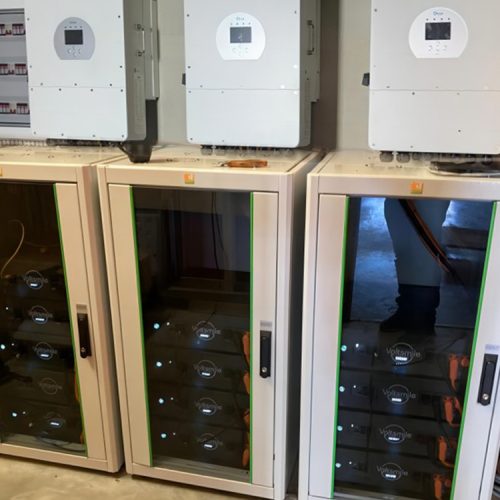
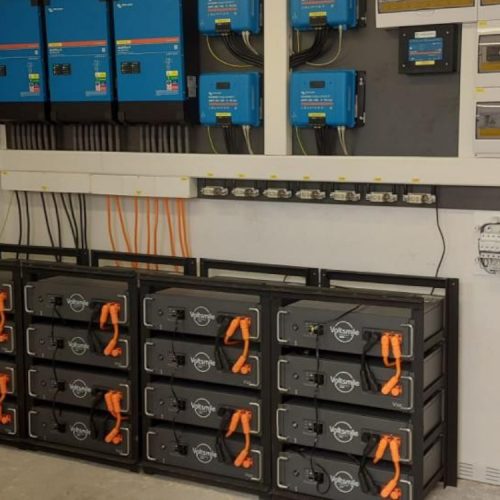
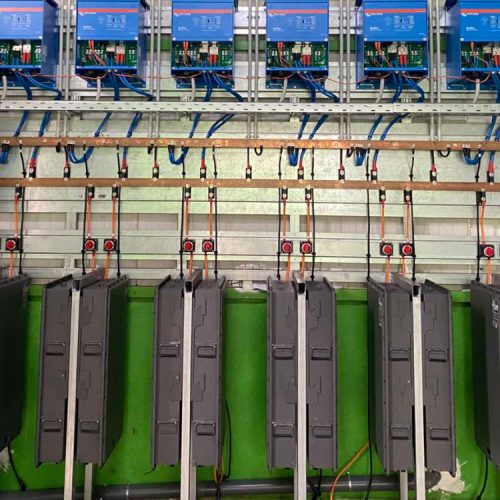
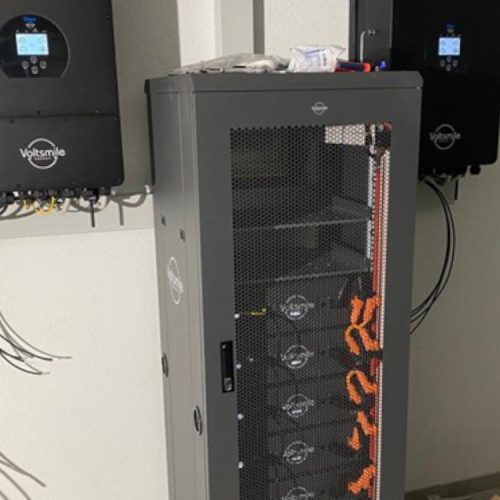
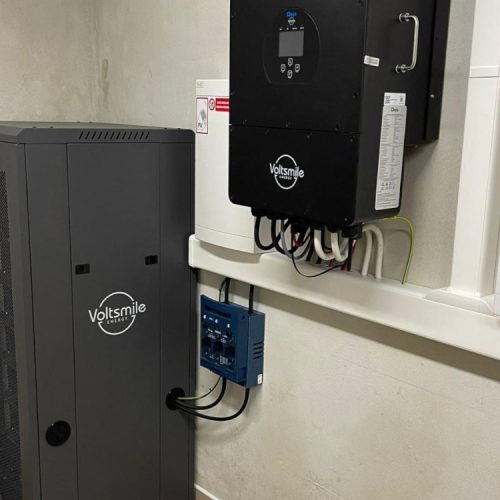
Voltsmile’s lithium iron phosphate (LiFePO4) batteries and sodium-ion battery prototypes are leading this transition, offering superior performance and sustainability.
Voltsmile’s Advanced Battery Solutions
1. Lithium-Ion (LiFePO4) Batteries
- Longer Cycle Life – 4,000+ cycles vs. 500-1,000 for lead-acid.
- Higher Efficiency – 95%+ energy efficiency compared to 70-80% for lead-acid.
- Lightweight & Compact – Ideal for EVs, solar storage, and portable power.
- Maintenance-Free – No watering or equalization charging required.
2. Sodium-Ion Batteries (Future-Ready Tech)
- Lower Cost – Sodium is abundant and cheaper than lithium.
- Better Safety – Less prone to thermal runaway.
- Sustainable – No reliance on rare metals like cobalt.
3. Smart Battery Management Systems (BMS)
- Real-time monitoring for optimal performance.
- Overcharge/over-discharge protection.
- Remote diagnostics via IoT integration.
Key Industries Benefiting from Lead-Acid Replacement
- Electric Vehicles (EVs & E-Bikes) – Faster charging, longer range, and reduced weight.
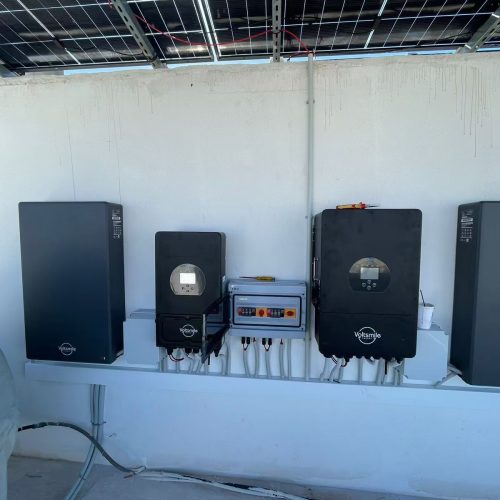
- Renewable Energy Storage – Solar and wind farms need high-capacity, durable batteries.
- Telecommunications – 5G towers require reliable backup power.
- Industrial Machinery – Forklifts, AGVs, and UPS systems benefit from maintenance-free operation.
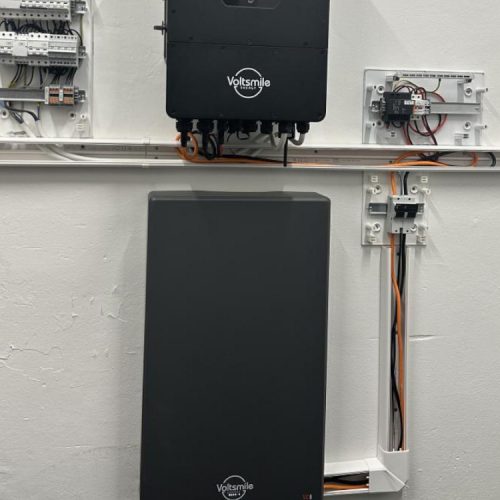
- Consumer Electronics – Portable power stations and home energy storage.
Why Choose Voltsmile for Lead-Acid Replacement?
- R&D Excellence – State-of-the-art battery technology developed in China.
- Custom Solutions – Tailored battery packs for specific industry needs.
- Global Certifications – Compliant with UN38.3, CE, RoHS, and UL standards.
- Competitive Pricing – Cost-effective alternatives with better ROI.
- Eco-Friendly Commitment – Supporting China’s green energy transition.
Conclusion
The shift from lead-acid to advanced battery technologies is no longer a trend—it’s a necessity. Voltsmile is at the forefront of this revolution in China, offering high-performance, sustainable, and smart energy storage solutions. Whether for EVs, industrial use, or renewable energy storage, Voltsmile’s lithium-ion and sodium-ion batteries provide the efficiency, longevity, and environmental benefits that modern applications demand.