

The Future of Energy Storage: Lithium-Ion Batteries by Voltsmile
Bevezetés
Lithium-ion (Li-ion) batteries have revolutionized modern energy storage, powering everything from smartphones to electric vehicles (EVs) and renewable energy systems. As a leading innovator in battery technology, Voltsmile is committed to advancing Li-ion battery efficiency, safety, and sustainability. This article explores the science behind Li-ion batteries, their applications, advantages, challenges, and future trends—ensuring you stay informed about this critical technology.

1. How Lithium-Ion Batteries Work
Lithium-ion batteries operate on the principle of electrochemical energy conversion. Here’s a breakdown of their key components and functionality:
Key Components:
- Anode (Negative Electrode): Typically made of graphite, which stores lithium ions during charging.
- Cathode (Positive Electrode): Composed of lithium metal oxides (e.g., LiCoO₂, LiFePO₄).
- Electrolyte: A lithium salt solution facilitating ion movement between electrodes.
- Separator: A porous membrane preventing short circuits while allowing ion flow.
Charging & Discharging Process:
- Charging: Lithium ions move from the cathode to the anode, storing energy.
- Discharging: Ions return to the cathode, releasing energy to power devices.
This reversible reaction enables Li-ion batteries to be rechargeable, making them ideal for long-term use.
2. Applications of Lithium-Ion Batteries
Li-ion batteries dominate multiple industries due to their high energy density and efficiency:
Szórakoztató elektronika
- Smartphones, laptops, and tablets rely on Li-ion batteries for lightweight, long-lasting power.
Elektromos járművek (EV-k)
- Tesla, BYD, and other automakers use Li-ion batteries for extended range and fast charging.
Megújuló energia tárolása
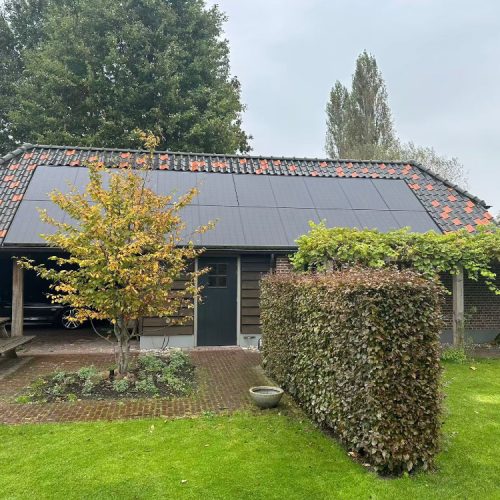
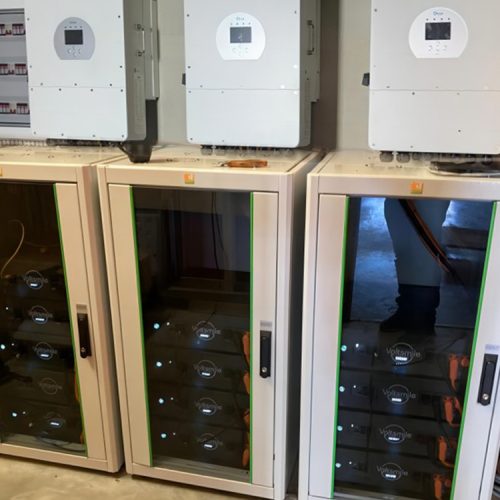
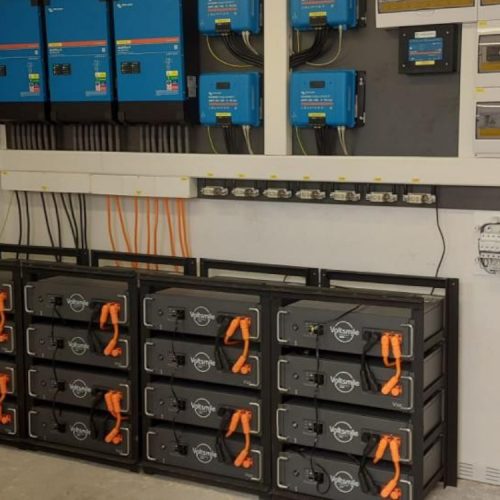
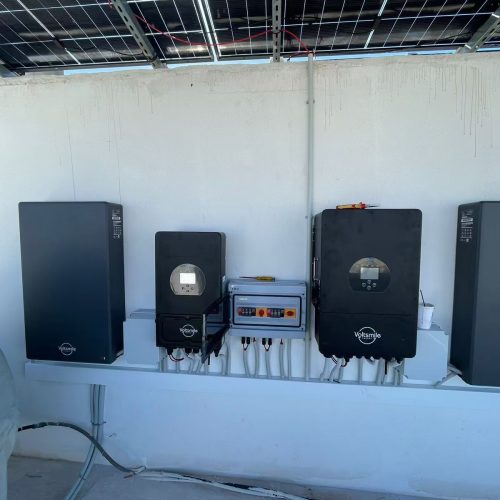
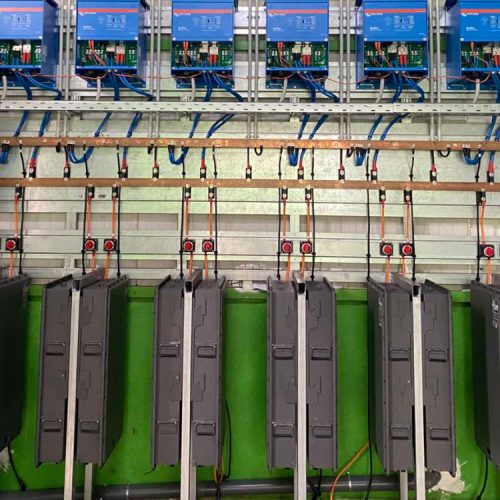
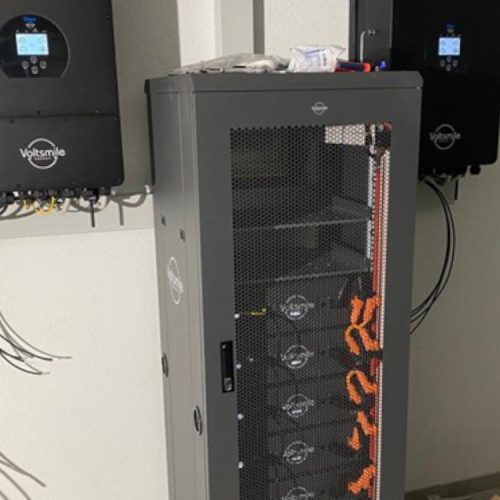
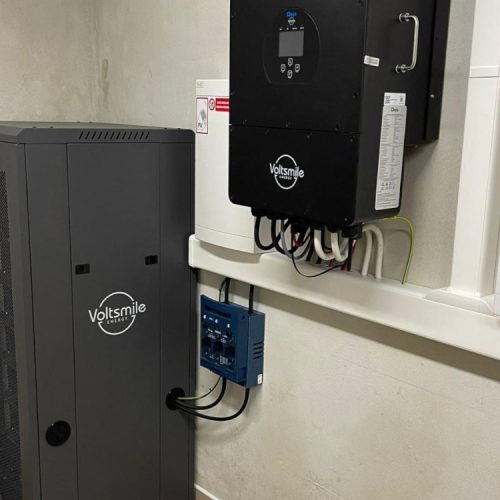
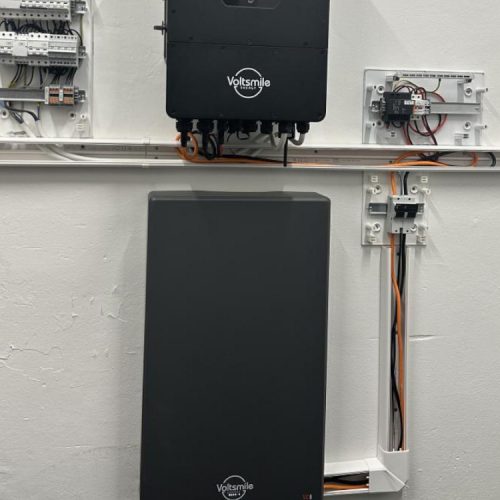
- Solar and wind energy systems use Li-ion batteries to store excess power for grid stability.
Medical & Industrial Equipment
- Portable medical devices and industrial tools benefit from their reliability and compact size.
3. Advantages of Lithium-Ion Batteries
Li-ion technology outperforms traditional batteries (e.g., lead-acid, NiMH) in several ways:
Nagy energiasűrűség – Stores more power in a smaller size.
Hosszú élettartam – Can endure 500-1,000+ charge cycles before significant degradation.
Fast Charging – Supports rapid recharging compared to alternatives.
Low Self-Discharge – Loses only ~1-2% charge per month when idle.
Környezetbarát – No memory effect and lower toxic material usage than NiCd batteries.
4. Challenges & Safety Concerns
Despite their benefits, Li-ion batteries face some limitations:
Thermal Runaway & Fire Risks
- Overcharging, physical damage, or manufacturing defects can cause overheating and fires.
- Solution: Advanced battery management systems (BMS) and flame-retardant electrolytes.
Resource Scarcity & Environmental Impact
- Cobalt mining raises ethical and sustainability concerns.
- Solution: Research into cobalt-free cathodes (e.g., LiFePO₄) and improved recycling methods.
Cost & Degradation
- High production costs and capacity fade over time remain challenges.
- Solution: Solid-state batteries and silicon anodes for longer life.
5. Future Trends in Lithium-Ion Battery Technology
Voltsmile is at the forefront of next-gen Li-ion innovations:
Szilárdtest akkumulátorok
- Replace liquid electrolytes with solid materials for enhanced safety and energy density.
Silicon Anodes
- Increase capacity by up to 10x compared to graphite anodes.
AI & Smart Battery Management
- Machine learning optimizes charging cycles to extend battery life.
Fenntartható gyártás
- Recycling programs and alternative materials reduce environmental impact.
Következtetés
Lithium-ion batteries remain the cornerstone of modern energy storage, with continuous advancements improving their efficiency, safety, and sustainability. Voltsmile is dedicated to pioneering next-generation battery solutions, ensuring a cleaner, more energy-efficient future.
Stay updated with the latest in battery tech by following Voltsmile innovations!