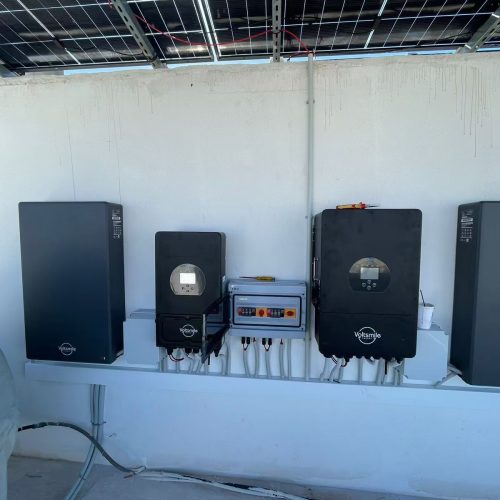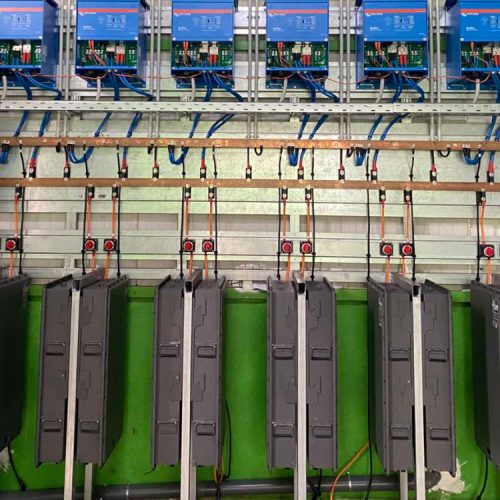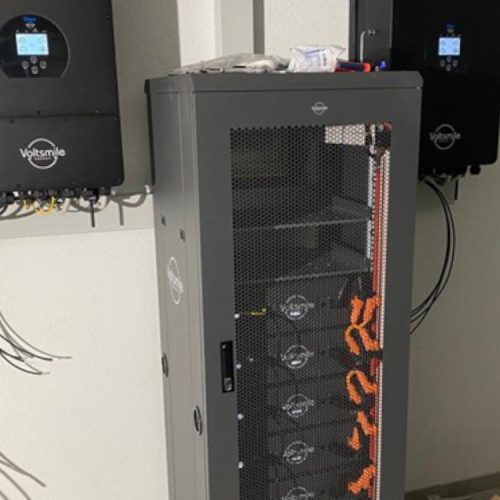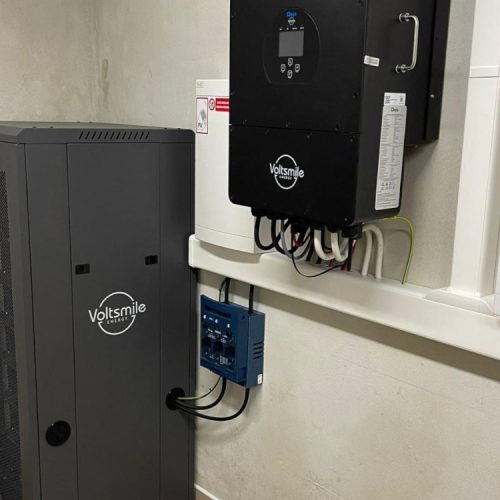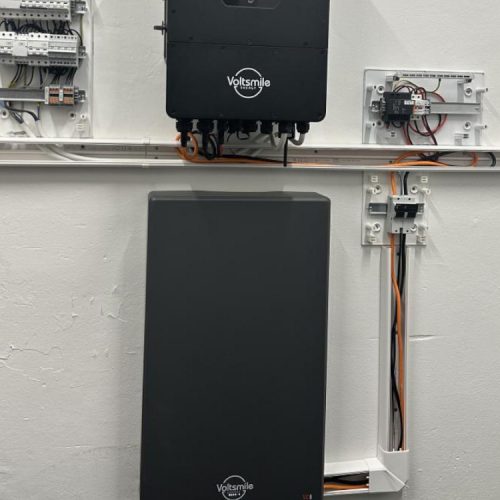


Un Système de stockage d'énergie (ESS) is a technology or set of devices designed to store energy for later use. It plays a critical role in balancing energy supply and demand, improving grid stability, and integrating renewable energy sources. Here’s a detailed breakdown:
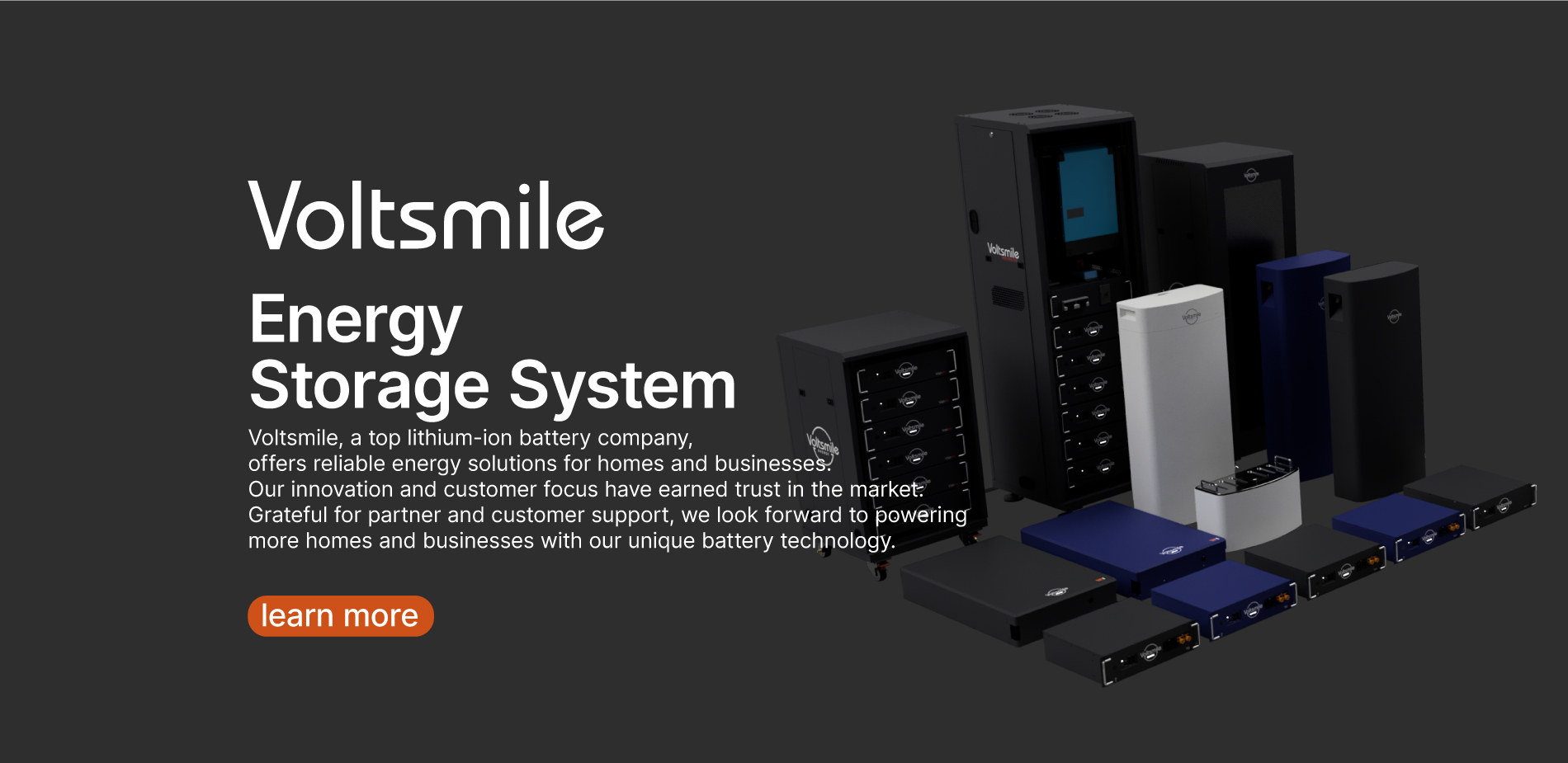
1. Definition and Purpose
- An ESS captures energy produced at one time and stores it for use at another time. This is particularly useful for managing intermittent energy sources like solar and wind power.
- It helps reduce energy waste, optimize energy usage, and ensure a reliable power supply during peak demand or outages.
2. Composants clés
- Storage Medium: The physical or chemical form in which energy is stored (e.g., batteries, pumped hydro, thermal storage).
- Système de conversion de puissance (PCS): Converts stored energy into usable electricity.
- Control System: Manages the charging, discharging, and overall operation of the system.
3. Types of Energy Storage Systems
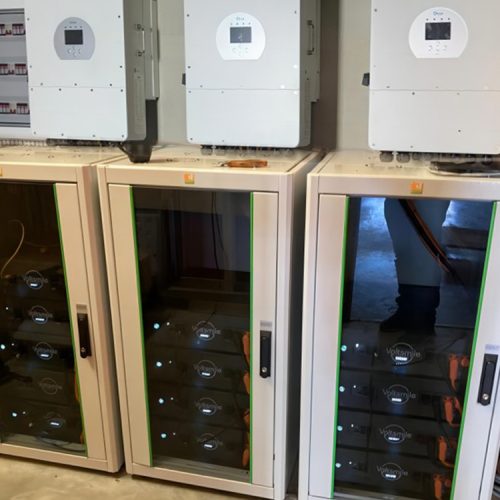
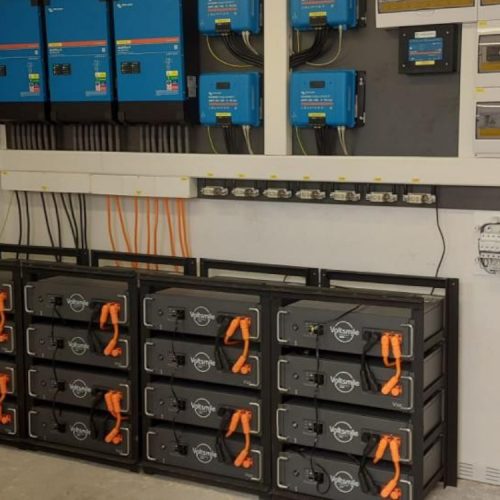
- Stockage de la batterie: Uses chemical energy (e.g., lithium-ion, lead-acid, flow batteries).
- Pumped Hydro Storage: Stores energy by moving water between reservoirs at different elevations.
- Thermal Storage: Stores energy in the form of heat (e.g., molten salt, ice storage).
- Flywheel Storage: Stores kinetic energy in a rotating mass.
- Compressed Air Energy Storage (CAES): Stores energy by compressing air in underground caverns.
4. Applications
- Stabilisation du réseau: Balances supply and demand, preventing blackouts.
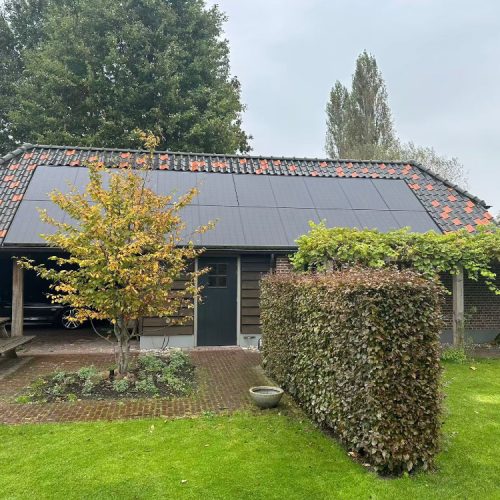
- Intégration des énergies renouvelables: Stores excess energy from solar or wind for use when production is low.
- Alimentation de secours: Provides emergency power during outages.
- L'écrêtement des pointes: Reduces energy costs by storing energy during off-peak hours and using it during peak demand.
5. Avantages
- Enhances energy efficiency and reduces carbon emissions.
- Favorise la transition vers les énergies renouvelables en tenant compte de l'intermittence.
- Improves grid resilience and reduces reliance on fossil fuels.
6. Défis
- High initial costs and limited lifespan of some technologies (e.g., batteries).
- Limites techniques en matière de densité énergétique et de capacité de stockage.
- Regulatory and infrastructure barriers to widespread adoption.
In summary, an Energy Storage System is a versatile and essential technology for modern energy management, enabling a more sustainable and reliable energy future.