

Strategic Partnerships in Home Energy Storage: A Guide for Global Leaders
The global energy transition accelerates daily. This shift drives massive demand for residential battery systems. One factor determines success above all: strategic partnerships. Manufacturers, installers, and tech providers must choose home storage partners wisely. The right ally ensures technical reliability, market competitiveness, and customer loyalty.

Why Home Storage Needs Strong Alliances
Residential storage has evolved dramatically. It moved from off-grid novelty to mainstream home necessity. Homeowners now seek energy independence actively. They also want outage protection and solar self-consumption maximization. No single company can deliver all this value alone.
The modern ESS ecosystem includes battery makers, inverter producers, and software developers. It also involves installation contractors and utility demand-response programs. Success demands seamless integration across every layer. Therefore, partner selection matters as much as product quality.
Technical Foundations of Effective Partnerships
Inverter-Battery Compatibility
Battery systems must communicate flawlessly with hybrid inverters. Proprietary BMS needs precise charging optimization. It also maintains battery health over thousands of cycles. Grid compliance depends on this communication link.
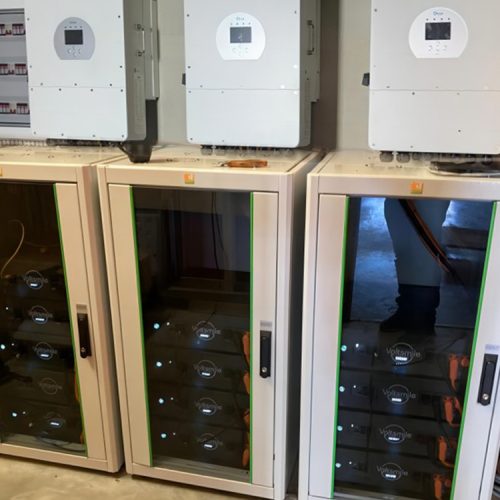
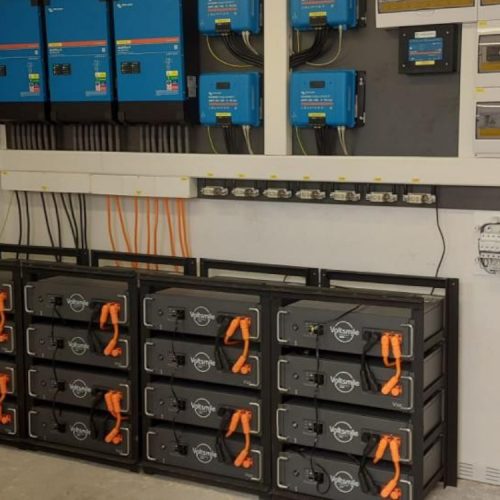
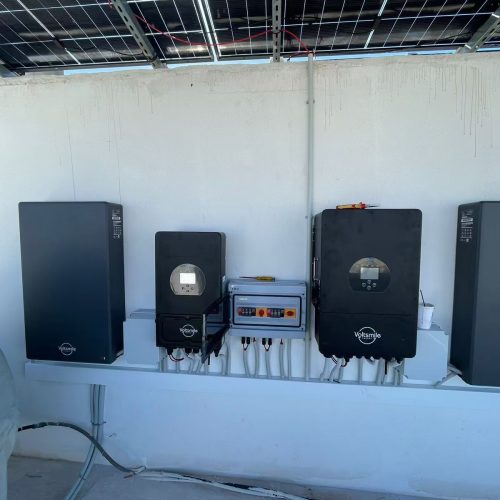
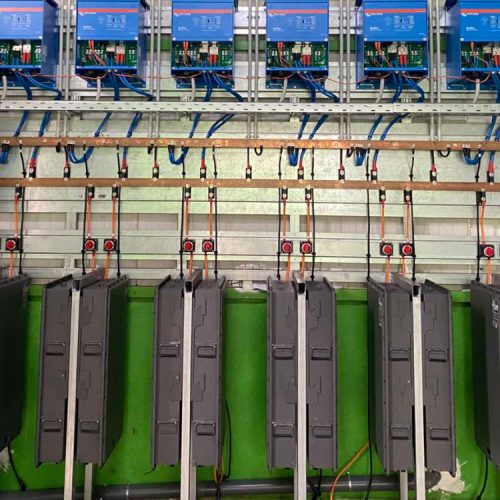
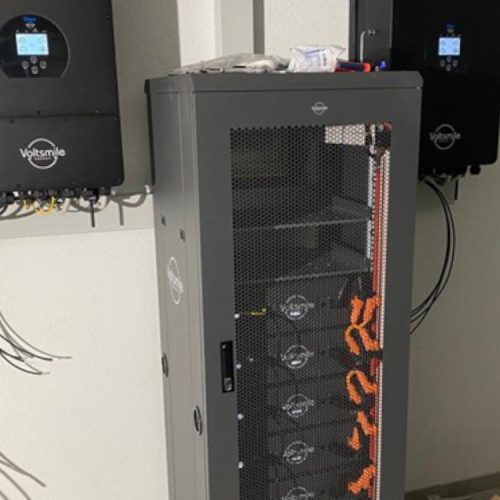
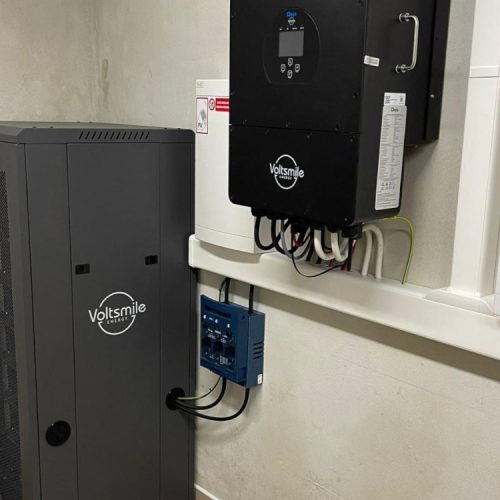
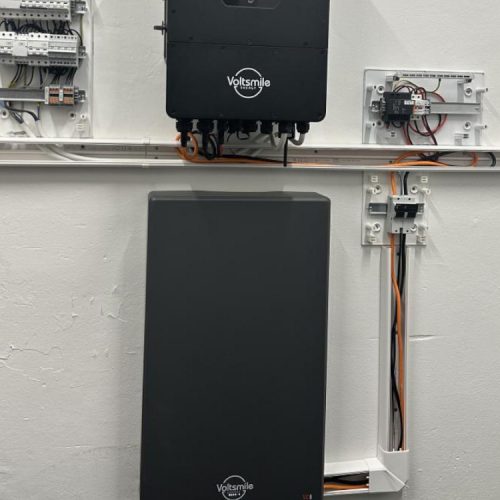
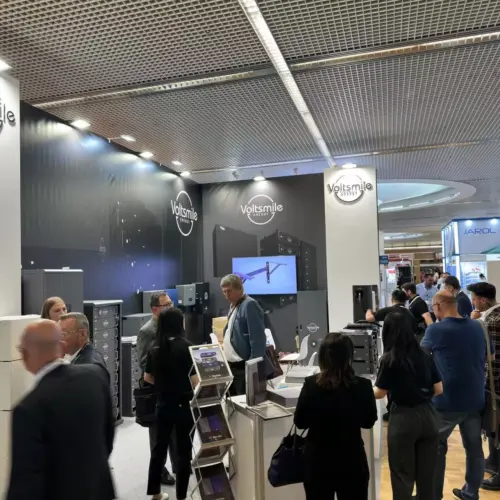
Voltsmile exemplifies this integration capability. Its systems support leading inverter brands directly. These include Huawei, GoodWe, SMA, Victron, and Deye. Real-world projects validate these technical pairings. For instance, a Rotterdam hybrid project paired Voltsmile V10 RPC batteries with SolarEdge and Deye inverters. This installation achieved 92% solar self-consumption successfully.
Certification and Compliance Requirements
Partnerships increasingly require formal certifications. These simplify market access in regulated regions. California’s CEC listing streamlines permitting for installers. Domestic content eligibility unlocks significant incentives too. Qcells’ Michigan assembly with Jabil demonstrates this advantage clearly.
Partnership Models Driving Market Growth
OEM and ODM Collaborations
OEM and ODM partnerships accelerate portfolio expansion rapidly. Brands avoid massive capital investment through these models. Voltsmile positions itself as a premier OEM manufacturer. It offers end-to-end customization for residential and commercial applications. Vertical integration covers cell procurement through final assembly. This enables rapid prototyping and scalable production efficiently.
Certified Battery Partner Programs
Leading inverter makers run structured certification initiatives. Sol-Ark’s Battery Partner Program rigorously tests compatible storage solutions. Dyness joined this program for the Powerbox-US system. Validated compatibility with Sol-Ark 15K inverter followed. This created a ready-to-install whole-home battery system. Certification reduces installer hesitation significantly.
Open Energy Ecosystems
Forward-thinking companies build open energy platforms. These integrate solar, storage, smart devices, and tariff data. BLUETTI’s ecosystem connects with 800+ dynamic tariff sources globally. These include Octopus Energy, Tibber, and Ostrom. Smart home platforms like Alexa and Google Home also integrate. Such partnerships enable dynamic energy optimization automatically.
The Vertical Integration Advantage
Many manufacturers still pursue vertical integration actively. This approach captures greater value across the supply chain. Voltsmile’s production footprint spans Shenzhen, Huizhou, Jiangxi, and Dongguan. It also maintains market centers in Amsterdam and Düsseldorf. German engineering standards meet Asian manufacturing efficiency here. This model ensures consistent quality with competitive costs.
Vertical integration also simplifies global compliance comprehensively. Voltsmile holds IEC 62619, UL9540, CE, UN38.3, and VDE certifications. Consequently, partners reduce their compliance burden substantially. Consequently, time-to-market accelerates meaningfully.
Key Evaluation Criteria for Partners
Production Capacity and Supply Chain Resilience
Global battery demand continues rising without pause. Partners must assess manufacturing scale carefully. Multiple production facilities indicate supply chain robustness. These mitigate regional disruptions effectively.
Technology Differentiation
Look beyond basic functionality for real advantages. Cell-level LFP chemistry provides 6,000+ cycles at 80% DoD. This extends system lifespan considerably. Advanced thermal management enhances safety consistently. Liquid cooling maintains ±1°C cell temperature variance. This ensures performance across diverse climates.
Customization Flexibility
Customize capacity, form factor, and thermal management easily. Tailored software integration enables market differentiation. Modular expandable systems serve 5kWh to 1MWh+ needs. Installers value this long-term flexibility greatly.
Post-Sale Support and Warranty
Strong warranties and responsive support separate serious manufacturers. Voltsmile offers 10-year performance warranties on premium systems. Localized service teams provide 12-hour response times. They cover 15+ countries actively.
Future Trends in Storage Partnerships
The residential storage market continues maturing quickly. Partnerships will become more strategic and integrated.
First, dynamic electricity market integration will become standard. Real-time arbitrage based on wholesale prices offers value.
Second, smart home ecosystem compatibility will become expected. HEMS platforms and automation systems must interface seamlessly.
Third, domestic manufacturing partnerships will grow substantially. Policy incentives favor local assembly collaborations. Recent US manufacturing deals exemplify this direction.
Fourth, turnkey homebuilder programs will capture major share. Vertically integrated partners offer stable pricing. They also simplify supply chains and warranty contacts.
Final Thoughts
The home energy storage market expands rapidly. Partnerships serve as strategic differentiators, not mere transactions. Inverter makers need certified battery allies. Distributors must curate competitive product portfolios. Utilities require reliable demand-response collaborators. The right partners deliver reliability, innovation, and customer value.
Voltsmile offers vertically integrated manufacturing capabilities. Proprietary BMS technology ensures system intelligence. Broad inverter compatibility simplifies integration work. Global certifications accelerate market entry. Companies that prioritize deep, technically sound alliances will lead the sustainable energy transition.