

Solar and Battery Backup Solutions in China: A Comprehensive Guide for Voltsmile
Einführung
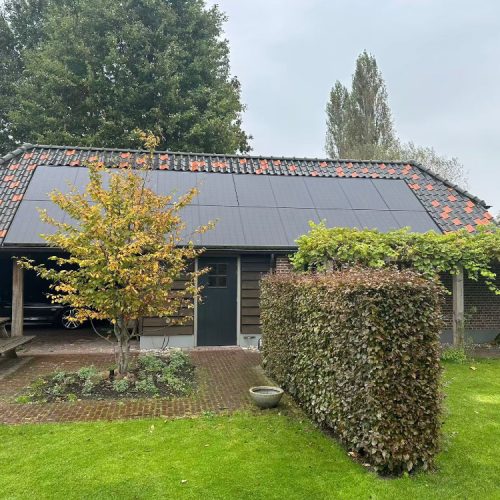
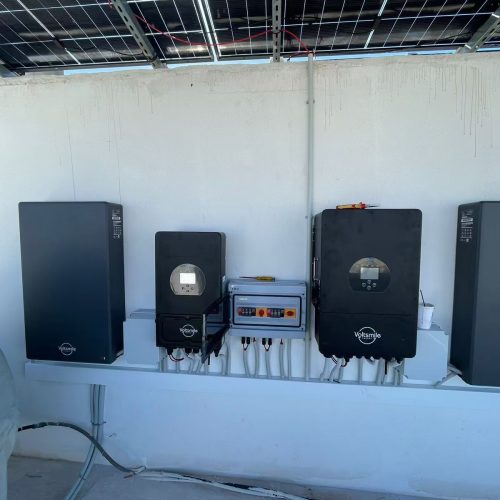
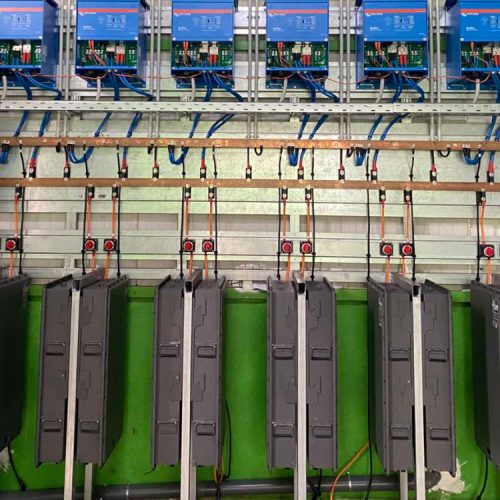
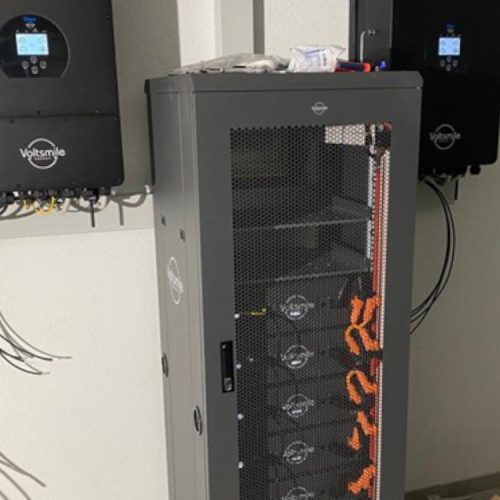
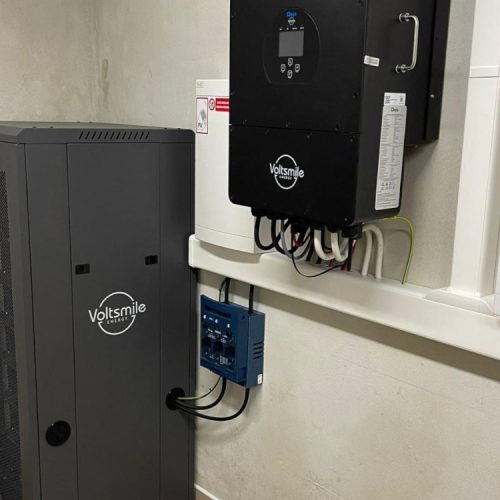
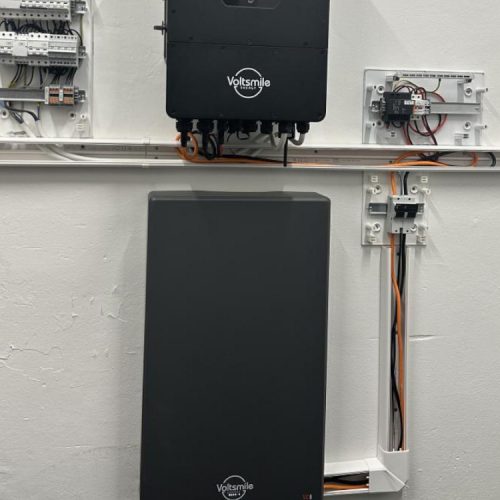
China has emerged as a global leader in renewable energy, particularly in solar power and battery storage solutions. With increasing energy demands, government incentives, and technological advancements, solar and battery backup systems have become essential for residential, commercial, and industrial applications. Voltsmile, as an innovative energy solutions provider, can leverage China’s booming market to deliver efficient, sustainable, and cost-effective solar and battery backup systems.
This article explores the latest trends, benefits, and key considerations for solar and battery backup solutions in China, ensuring Voltsmile’s potential customers and partners make informed decisions.

1. The Growing Demand for Solar and Battery Backup in China
China is the world’s largest producer and consumer of solar energy, with a rapidly expanding market for battery storage. Several factors contribute to this growth:
Government Policies and Incentives
- Chinas 14. Fünfjahresplan (2021-2025) emphasizes renewable energy expansion, targeting 1,200 GW of solar and wind capacity by 2030.
- Subsidies, tax exemptions, and feed-in tariffs encourage businesses and homeowners to adopt solar power.
- Die Nationale Energiebehörde (NEA) fördert distributed solar projects, boosting rooftop solar installations.
Declining Costs of Solar Panels and Batteries
- Due to mass production and technological advancements, solar panel prices in China have dropped by over 80% in the past decade.
- Lithium-ion battery costs have also decreased, making solar + storage systems more affordable.
Energy Security and Grid Stability
- Frequent power shortages in industrial regions drive demand for battery backup solutions.
- Solar + storage systems provide an Unterbrechungsfreie Stromversorgung (UPS)und verringert die Abhängigkeit vom Stromnetz.
2. Key Solar and Battery Technologies in China
China leads in solar panel manufacturing and battery innovation. Below are the most widely used technologies:
Solar Panel Technologies
- Monocrystalline Solar Panels – High efficiency (20-23%), ideal for limited roof space.
- Polycrystalline Solar Panels – Cost-effective, suitable for large-scale installations.
- Thin-Film Solar Panels – Lightweight and flexible, used in BIPV (Building-Integrated Photovoltaics).
Battery Storage Solutions
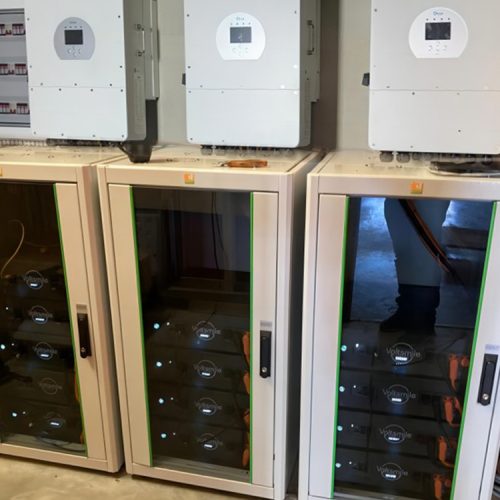
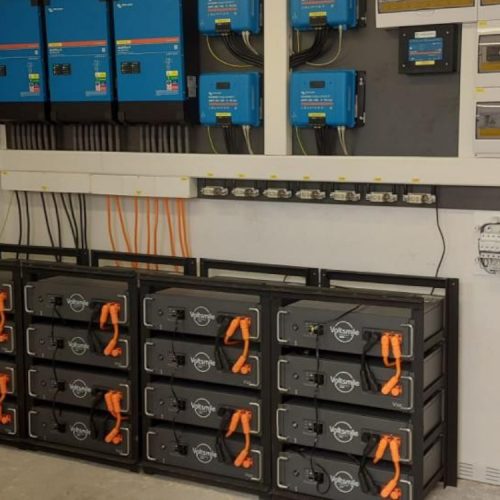
- Lithium-Ionen-Batterien – Dominant in the market due to high energy density and long lifespan.
- Blei-Säure-Batterien – Cheaper but less efficient, used in off-grid systems.
- Durchfluss-Batterien – Emerging technology for large-scale energy storage.
Hybrid and Smart Energy Systems
- Solar + Storage Microgrids – Provide energy independence for remote areas.
- AI and IoT Integration – Smart energy management systems optimize power usage.
3. Benefits of Solar and Battery Backup Systems
Investing in solar and battery solutions offers multiple advantages:
Kosteneinsparungen
- Reduziert Stromrechnungen by generating free solar power.
- Net metering policies allow excess energy to be sold back to the grid.
Auswirkungen auf die Umwelt
- Reduces the carbon footprint by replacing fossil-fuel-based electricity.
- Supports China’s carbon neutrality goals (peaking emissions by 2030, net-zero by 2060).
Energy Independence & Reliability
- Backup power during blackouts ensures business continuity.
- Off-grid capabilities for remote locations without grid access.
4. Challenges and Considerations
While the market is promising, businesses and homeowners must consider:
Einhaltung von Vorschriften
- Permits and grid connection approvals vary by region.
- Quality certifications (e.g., CQC, CNCA) are required for solar equipment.
Installation und Wartung
- Proper system sizing is crucial for efficiency.
- Regular maintenance (e.g., cleaning panels, battery checks) ensures longevity.
Initial Investment vs. Long-Term ROI
- High upfront costs, but payback periods range from 5-8 years due to energy savings.
5. Future Trends in China’s Solar and Battery Market
- Floating Solar Farms – Utilizing reservoirs and lakes for solar installations.
- Festkörperbatterien – Next-gen storage with higher safety and energy density.
- Integration von grünem Wasserstoff – Solar-powered hydrogen production for industrial use.
- Virtuelle Kraftwerke (VPPs) – Aggregating distributed solar + storage systems for grid support.
Schlussfolgerung
China’s solar and battery backup market presents immense opportunities for Voltsmile to deliver cutting-edge energy solutions. By leveraging government incentives, advanced technologies, and growing demand for sustainable power, Voltsmile can position itself as a key player in China’s renewable energy transition.
For businesses and homeowners looking to reduce energy costs, enhance energy security, and contribute to a greener future, solar and battery backup systems are the ideal choice.