

The Future of Energy Storage and EV Charging in China: Trends, Innovations, and Opportunities
Einführung
China has emerged as a global leader in energy storage and electric vehicle (EV) charging infrastructure, driven by aggressive government policies, technological advancements, and growing environmental awareness. As the demand for sustainable energy solutions surges, companies like Voltsmile are at the forefront of revolutionizing storage and charging technologies. This article explores the latest trends, challenges, and opportunities in China’s storage and charging sector.

1. The Rapid Growth of China’s Energy Storage Market
China’s energy storage market is expanding at an unprecedented rate, fueled by:
- Government Support: Policies like the 14. Fünf-Jahres-Plan prioritize energy storage, targeting 30 GW of installed capacity by 2025.
- Integration erneuerbarer Energien: Large-scale solar and wind farms require efficient storage solutions to stabilize the grid.
- Declining Battery Costs: Advances in lithium-ion and solid-state batteries have made storage more affordable.
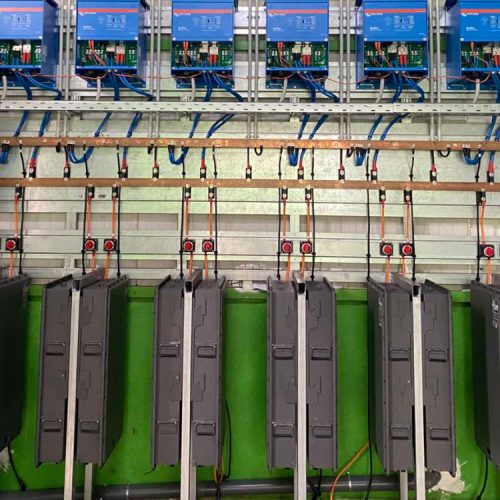
Key players, including CATL, BYD, and Voltsmile, are innovating with grid-scale storage, residential ESS (Energy Storage Systems), and portable power solutions.
2. EV Charging Infrastructure: Meeting the Demand
With over 13 million EVs on Chinese roads, charging infrastructure must keep pace. Key developments include:
- Ultra-Fast Charging: 800V high-voltage platforms (e.g., XPeng, NIO) enable 10-15 minute charging sessions.
- V2G (Vehicle-to-Grid) Technology: EVs can feed energy back into the grid, enhancing sustainability.
- Wireless Charging Pilots: Cities like Shanghai and Shenzhen are testing inductive charging for taxis and buses.
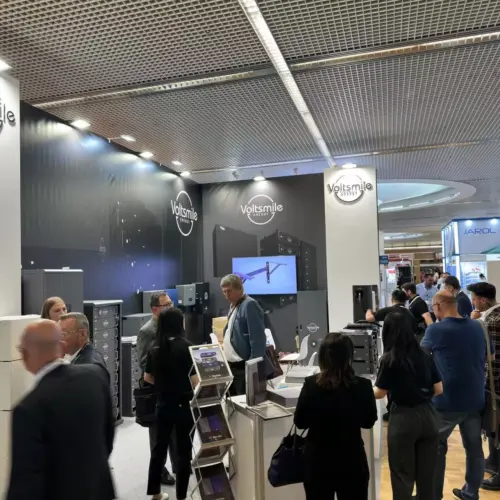
Voltsmile’s Role: By deploying smart charging stations with AI-powered load management, Voltsmile optimizes energy use and reduces operational costs.
3. Challenges in Storage & Charging
Despite progress, the industry faces hurdles:
- Grid Congestion: Rapid EV adoption strains local grids, requiring smarter energy distribution.
- Standardization Issues: Fragmented charging protocols (e.g., GB/T, CCS) complicate interoperability.
- Battery Recycling: Sustainable disposal of lithium batteries remains a critical concern.
4. Innovations Shaping the Future
- Festkörperbatterien: Higher energy density and safety could replace lithium-ion by 2030.
- Integration von AI und IoT: Predictive maintenance and dynamic pricing optimize charging networks.
- Hydrogen Storage: Pilot projects explore hydrogen as a complement to battery storage.
5. Why Voltsmile Stands Out
Voltsmile distinguishes itself through:
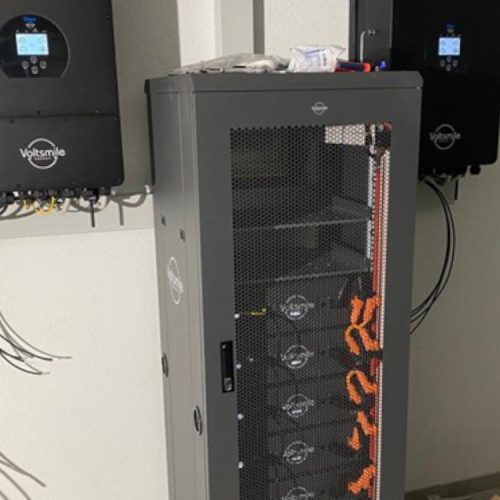
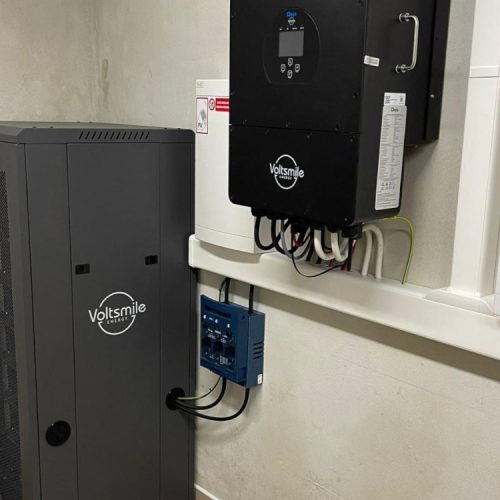
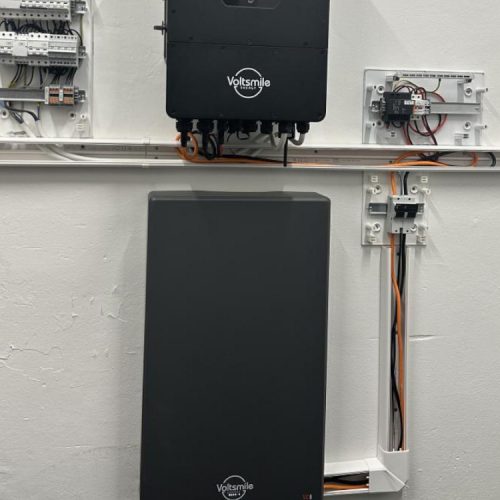
Modular Storage Solutions – Scalable systems for homes and businesses.
Fast-Charging Hubs – Deployed in high-traffic urban and highway locations.
Schwerpunkt Nachhaltigkeit – Partnerships with recyclers to promote a circular economy.
Schlussfolgerung
China’s storage and charging sector is poised for exponential growth, blending innovation with sustainability. Companies like Voltsmile are critical in shaping this future, offering cutting-edge solutions that align with global decarbonization goals.