

Residential Energy Storage Systems in China: Market Trends, Opportunities, and Future Outlook
Úvod
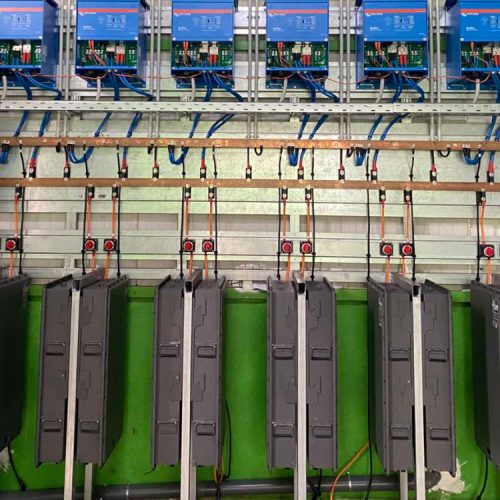
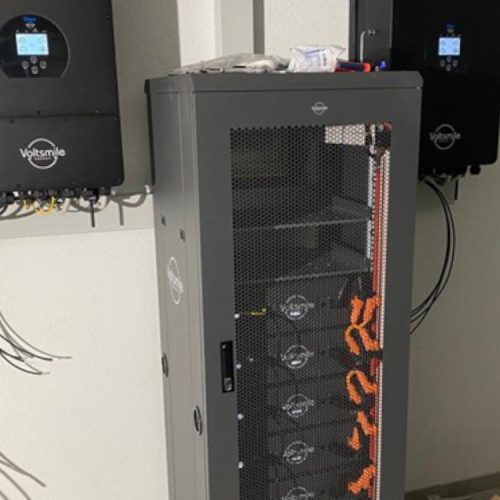
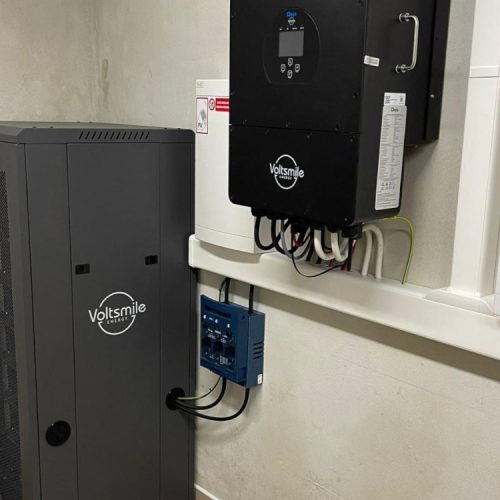
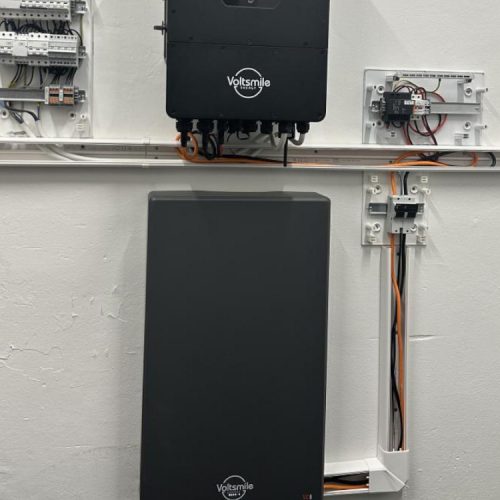
The residential energy storage market is experiencing unprecedented growth, driven by increasing electricity demand, government incentives, and rising environmental awareness. As a global leader in renewable energy, Residential Energy Storage Systems in China presents significant opportunities for companies like Voltsmile to expand their footprint in the residential energy storage system (RESS) sector. This article explores the latest trends, key drivers, challenges, and prospects of RESS in China, providing valuable insights for investors, policymakers, and industry stakeholders.
Market Overview
1. Current Landscape
China’s residential energy storage market has grown rapidly due to:
- Government policies (e.g., “Dual Carbon” goals of peaking emissions by 2030 and carbon neutrality by 2060).
- Rising electricity costs are prompting homeowners to seek energy independence.
- Solar PV integration, as many households install rooftop solar paired with battery storage.
In 2024, China’s RESS capacity exceeded 3 GWh, with projections suggesting a CAGR of 25%+ through 2030.
2. Key Players
Leading domestic and international companies dominate the market, including:
- BYD (Blade Battery technology)
- CATL (Sodium-ion battery innovations)
- Tesla Powerwall (imported but gaining traction in high-end markets)
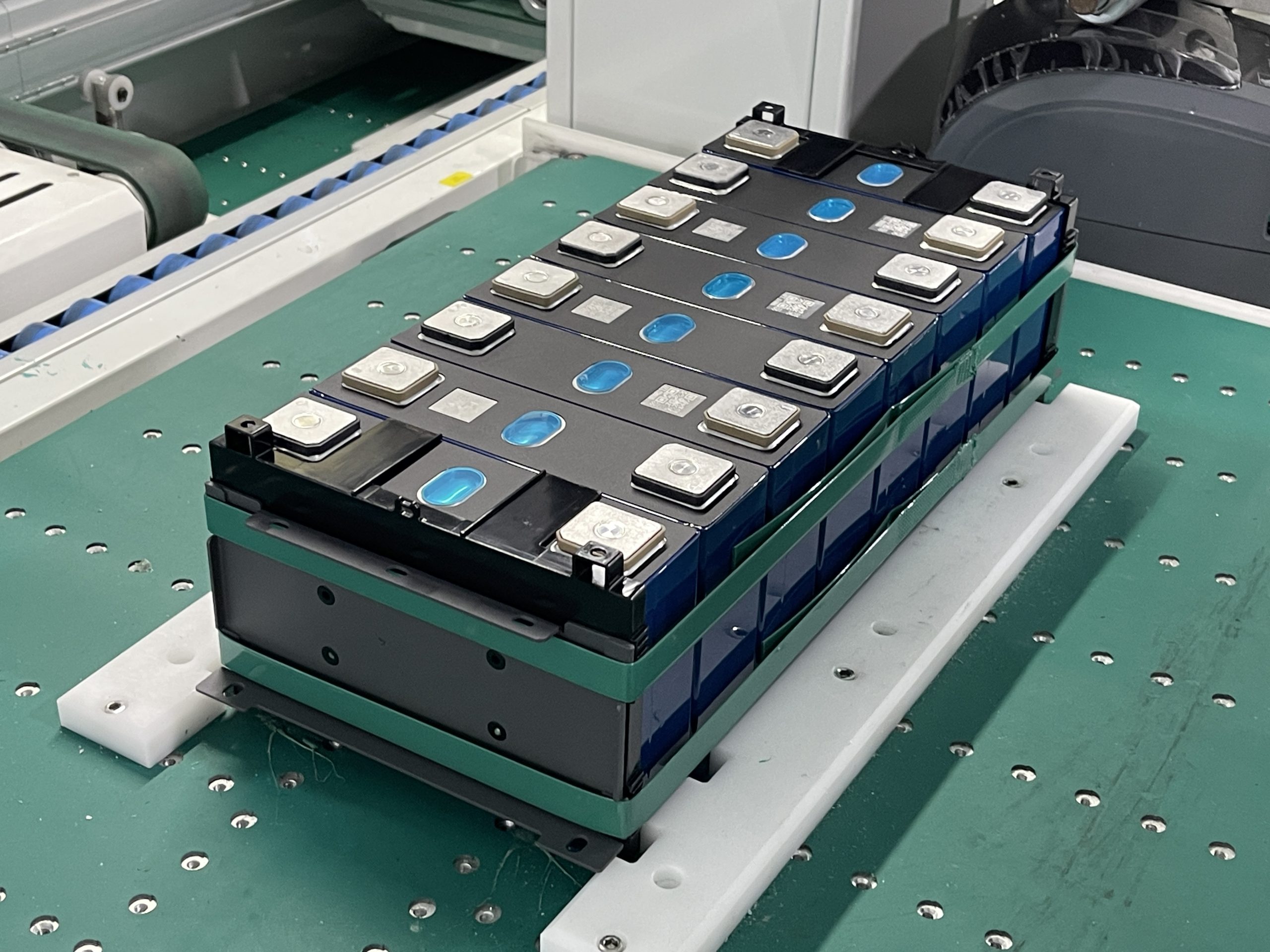
- Voltsmile (emerging as a competitive player with advanced LiFePO4 solutions)
Growth Drivers
1. Policy Support
- Subsidies & Tax Incentives: Local governments offer rebates for home battery installations.
- Net Metering Policies: Allowing households to sell excess solar power back to the grid.
- New Energy Vehicle (NEV) Integration: EV owners increasingly adopt home storage for vehicle-to-home (V2H) applications.
2. Technological Advancements
- Lithium-železo-fosfátové (LiFePO4) baterie: Safer, longer lifespan (10+ years), and cost-effective.
- Smart Energy Management Systems (EMS): AI-driven optimization for peak shaving and load balancing.
- Modular & Scalable Solutions: Allowing homeowners to expand storage capacity as needed.
3. Consumer Trends
- Energetická bezpečnost: Frequent power outages in rural areas drive demand.
- Sustainability Awareness: Urban homeowners prioritize green energy solutions.
- Úspora nákladů: Falling battery prices (down 40% since 2020) make RESS more accessible.
Výzvy
Despite growth, the market faces hurdles:
- Vysoké počáteční náklady: Though decreasing, upfront investment remains a barrier for some households.
- Grid Regulations: Some regions restrict grid feedback, limiting financial benefits.
- Consumer Education: Many homeowners remain unaware of RESS benefits.
Future Outlook
1. Market Expansion
- Rural Electrification: Government programs aim to bring off-grid storage to remote areas.
- Urban Microgrids: High-rise residential communities adopting shared storage solutions.
2. Technological Innovations
- Polovodičové baterie: Higher energy density and safety (expected commercialization post-2027).
- Integrace AI a IoT: Predictive maintenance and real-time energy trading via blockchain.
3. Voltsmile’s Opportunity
Voltsmile can capitalize on:
- Localized Manufacturing: Reducing costs via China-based production.
- Partnerships with Solar Installers: Bundling storage with rooftop PV systems.
- Řešení na míru: Offering scalable systems for different household needs.
Závěr
China’s residential energy storage market is poised for explosive growth, fueled by policy support, technological innovation, and shifting consumer preferences. Companies like Voltsmile that leverage cost-efficient, high-performance LiFePO4 batteries and smart energy management will lead this transformation. By addressing challenges such as consumer awareness and regulatory barriers, the RESS sector can achieve mainstream adoption, contributing to China’s green energy transition.