

Energy Storage Battery CE Compliance: A Complete Guide for Voltsmile Solutions
Úvod
As global demand for renewable energy surges, CE-certified energy storage batteries like those from Voltsmile ensure safety, performance, and market access in the EU. This guide explores CE compliance for energy storage systems (ESS), its significance, testing requirements, and how Voltsmile’s solutions meet these standards.
What Is CE Marking for Energy Storage Batteries?
Na stránkách Označení CE indicates conformity with EU health, safety, and environmental directives. For batteries, it covers:
- Směrnice o nízkém napětí (LVD) 2014/35/EU – Electrical safety.
- Směrnice 2014/30/EU o elektromagnetické kompatibilitě (EMC) – Interference prevention.
- Směrnice RoHS 2011/65/EU – Restriction of hazardous substances.
- Směrnice o bateriích 2006/66/ES – Recycling and disposal.
Voltsmile’s ESS products undergo rigorous testing to comply with all applicable directives.
Key CE Compliance Requirements for Energy Storage Batteries
1. Safety Standards (EN 62619, EN 62477-1)
- Overcharge/over-discharge protection.
- Thermal stability (UN38.3 certification for transport).
- Mechanical and environmental stress resistance.
2. EMC Testing (EN 61000 Series)
- Immunity to electromagnetic interference.
- Minimal emissions to avoid disrupting other devices.
3. Environmental Compliance
- RoHS: Lead/Cd/Hg-free components.
- REACH: Registration of chemical substances.
4. Documentation & Technical File
- EU Declaration of Conformity (DoC).
- Risk assessments and test reports.
Why CE Certification Matters for Voltsmile Customers
- Přístup na trh: Mandatory for EU/EEA sales.
- Konkurenční výhoda: Builds trust with B2B clients.
- Risk Mitigation: Avoids penalties (up to 5% of revenue for non-compliance).
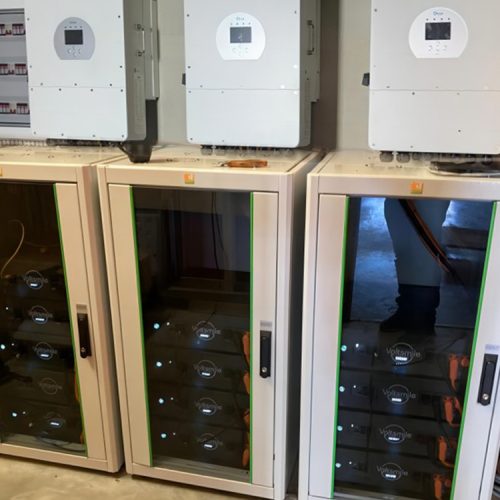
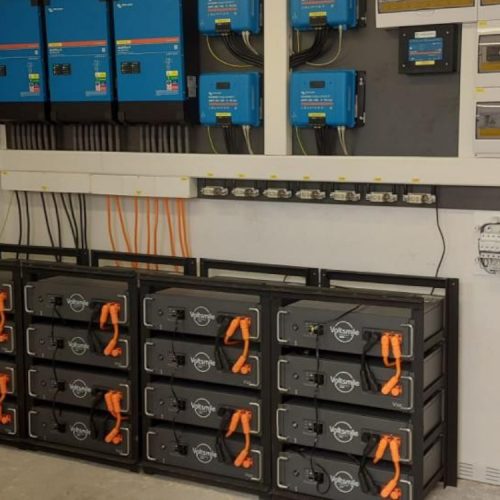
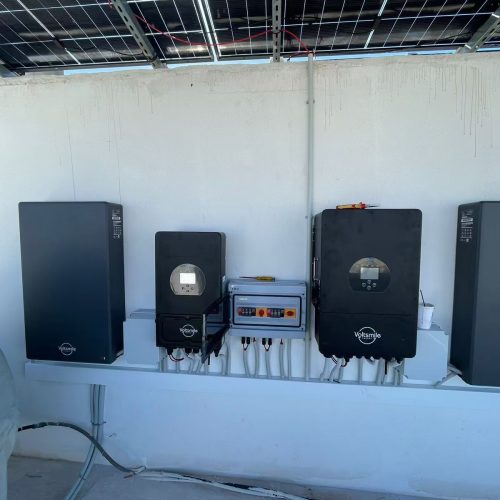
Voltsmile’s CE-Compliant Energy Storage Solutions
Our lithium-ion and LFP batteries are designed to exceed CE requirements:
Certified Cells: Partnering with Tier-1 suppliers.
In-House Testing: Accredited labs validate safety protocols.
Traceability: Full documentation for audits.
The CE Certification Process: Step-by-Step
- Gap Analysis: Identify applicable directives.
- Testing: Third-party lab validation (e.g., TÜV, SGS).
- Technická dokumentace: Compile design specs, manuals, and test data.
- DoC & Marking: Affix CE logo and register in EU databases.
Future Trends: Updates to EU Battery Regulation (2027)
The new EU Battery Regulation (2023/1542) will expand sustainability requirements:
- Carbon footprint disclosure.
- Recycled material quotas (e.g., 16% Co, 85% Pb by 2031).
- Digital battery passports.
Voltsmile proactively aligns R&D with upcoming standards.
Závěr
CE compliance is non-negotiable for energy storage batteries entering the EU. Voltsmile’s commitment to certified safety, performance, and sustainability ensures seamless market entry and long-term competitiveness.
Kontaktujte Voltsmile ještě dnes to explore our certified ESS solutions tailored to your needs.