

How to Choose Reliable Lithium-Ion Battery Storage Suppliers
The global energy landscape is transforming rapidly. Businesses, utilities, and homeowners now demand sustainable power solutions. Lithium-ion battery storage sits at the heart of this shift. As adoption grows, choosing the right lithium-ion battery storage suppliers becomes a strategic decision. Moreover, the market could reach nearly $200 billion by 2031. Therefore, procurement teams must evaluate suppliers carefully.

Understanding the Supplier Landscape
Chinese manufacturers currently dominate the global BESS market. In fact, they captured 76% of worldwide market share in 2025. According to Wood Mackenzie, eight of the ten largest BESS integrators sit in China. Meanwhile, Tesla and Sungrow hold the top two global positions. This concentration drives cost reductions and technological advances. Consequently, lithium-ion storage has become accessible across residential, commercial, and utility applications.
However, the supplier landscape remains diverse. Large-scale integrators typically focus on utility projects. In contrast, specialized manufacturers like Voltsmile serve varied energy needs. These needs span residential, commercial, and industrial applications. Therefore, buyers must understand supplier differences. Technical capabilities, market focus, and geographic reach all matter.
Key Factors in Supplier Evaluation
Technical Expertise and Manufacturing Standards
A supplier’s technical foundation determines product quality, safety, and longevity. Therefore, procurement teams should assess manufacturing experience and production capabilities. They should also verify adherence to international standards. These include ISO 9001 and ISO 14001 certifications. Suppliers with vertically integrated manufacturing demonstrate greater quality control. This integration spans electrode production, cell assembly, and formation testing.
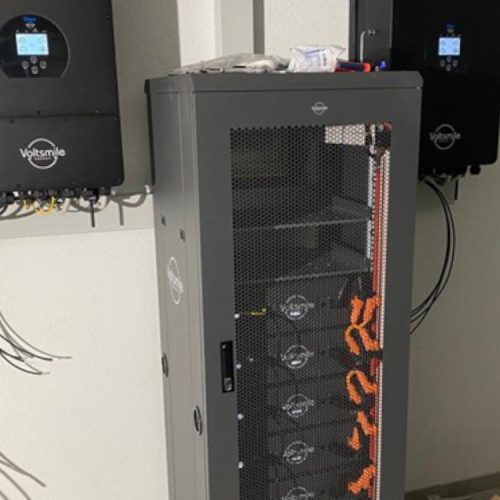
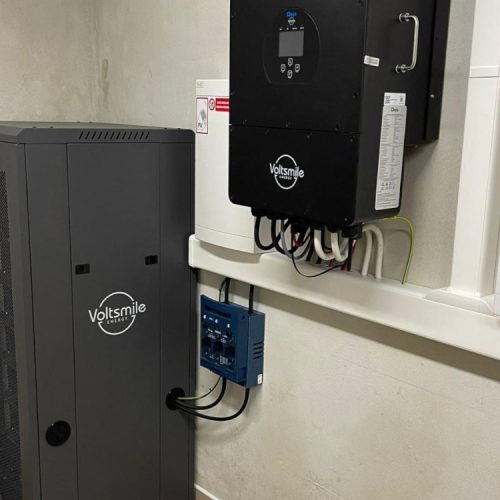
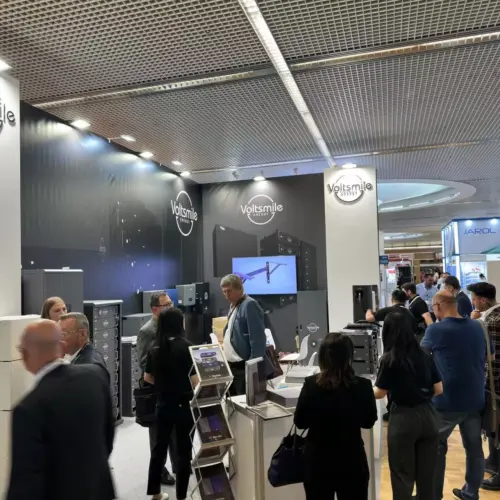
Voltsmile exemplifies this integrated approach. The company operates a comprehensive manufacturing ecosystem. This ecosystem covers raw material sourcing, electrode production, and cell assembly. It also includes rigorous formation and testing protocols. Voltsmile’s Shenzhen facility opened in 2019 and employs over 46 professionals. Notably, more than half work in research and development. This commitment to innovation positions Voltsmile as a technology leader.
Certifications and Regulatory Compliance
In this industry, certifications are not optional. Instead, they form the foundation of market access and project bankability. Key certifications span multiple categories. Battery-level safety standards include IEC 62619 and UL 1973. These cover electrical, thermal, and mechanical abuse conditions. System-level fire safety standards include UL 9540 and UL 9540A. These address thermal runaway propagation risks. Additionally, UN38.3 testing is mandatory for international shipping. The 2026 IATA regulations introduce stricter state-of-charge limits for air transport. Regional market access requires CE marking for Europe and UKCA for Great Britain. The United States requires FCC authorization. Furthermore, the EU’s New Battery Regulation introduces digital battery passports for systems exceeding 2kWh.
Buyers must verify that certificates match exact model numbers. They should also confirm configurations and installation environments. A general certificate without model-level specificity provides insufficient protection.
Product Performance Metrics
Beyond certifications, suppliers must demonstrate superior technical specifications. Industry benchmarks include cycle life exceeding 6,000 cycles at 80% depth of discharge. Round-trip efficiency should reach at least 90%. Warranty periods should extend 10 years or more. These metrics directly impact total cost of ownership. They also shape return on investment calculations.
Voltsmile’s lithium-ion systems achieve 3,000+ charge cycles. They maintain high energy density and thermal stability. Consequently, customers enjoy reduced replacement costs and enhanced reliability. The company’s battery management system innovation further distinguishes its offerings. This includes AI-driven optimization and predictive maintenance capabilities.
Supply Chain Reliability and Scalability
Project success depends on consistent supplier delivery. Therefore, stable cell sourcing and predictable lead times matter. Scalable production capacity is equally essential for multi-phase deployments. Buyers should evaluate suppliers’ financial stability and production volumes. They should also review track records with similar projects. For international projects, suppliers must demonstrate logistics expertise. Regional support capabilities also prove critical. Voltsmile primarily exports to the United States, Japan, the United Kingdom, Germany, and Australia. This reflects proven ability to navigate diverse regulatory environments.
The Voltsmile Advantage
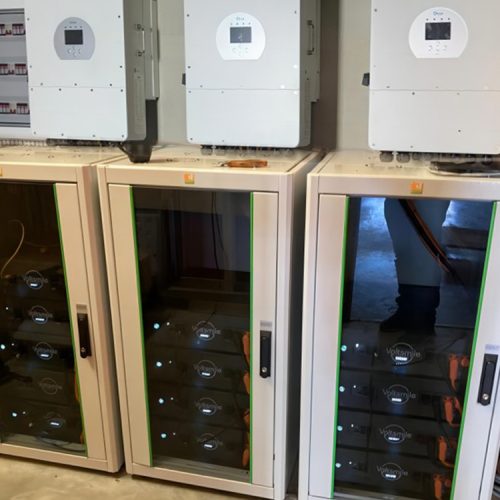
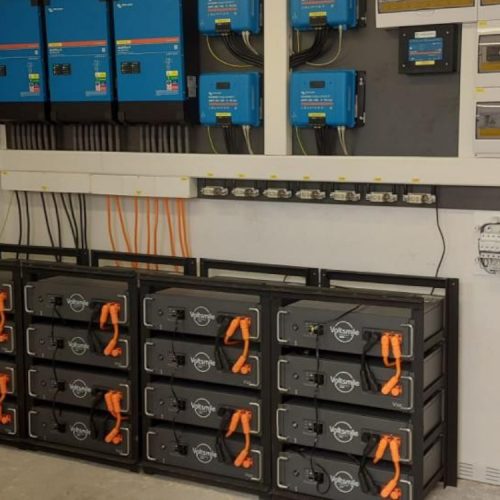
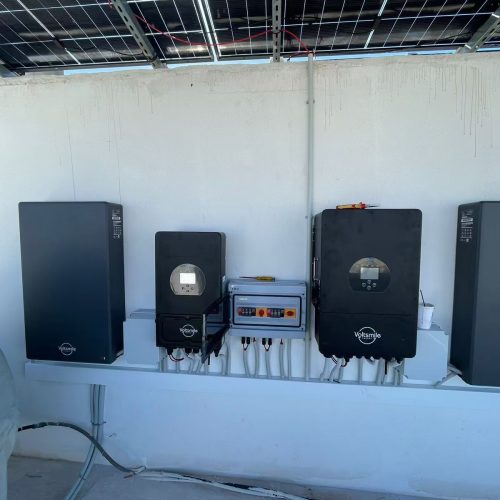
Voltsmile represents a new generation of lithium-ion battery storage suppliers. The company combines manufacturing excellence with application-focused innovation. Its approach extends beyond product delivery. Instead, it encompasses comprehensive energy solutions tailored to specific use cases.
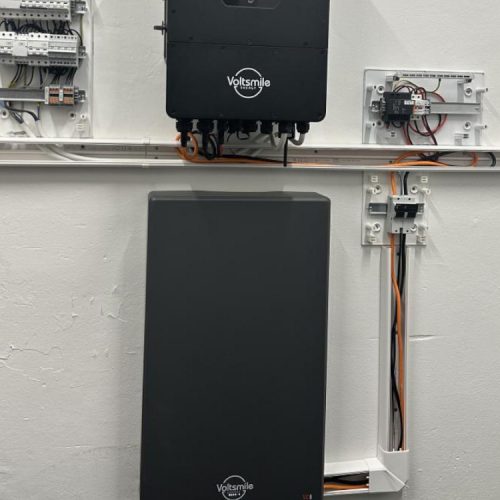
For residential applications, Voltsmile’s systems help homeowners maximize solar self-consumption. They store excess generation for evening use when electricity prices peak. Commercial and industrial customers benefit from peak demand shaving. They also gain time-of-use arbitrage capabilities that reduce operational expenses. Utility-scale deployments leverage grid-forming capabilities and modular architectures. These support renewable energy integration at scale. Additionally, the company prioritizes closed-loop recycling. It also invests in next-generation technologies such as solid-state batteries. Consequently, Voltsmile addresses environmental imperatives and resource availability concerns.
Making the Final Decision
Selecting a lithium-ion battery storage supplier requires balancing multiple considerations. These include technical performance, certification compliance, and supply chain reliability. Financial stability and after-sales support also matter. The optimal choice varies by project scope and regional requirements. Strategic objectives further influence the decision. Nevertheless, thorough due diligence remains constant. A partnership-oriented approach also proves essential.
The energy storage industry continues evolving rapidly. Therefore, suppliers combining manufacturing scale with innovation will define the market’s future. They must also possess regulatory expertise. For organizations investing in lithium-ion battery storage, supplier selection reverberates for decades. It affects performance, cost, and contribution to a sustainable energy future.