

Voltsmile: The Outdoor Energy Storage Company Powering Resilience Beyond the Grid
The global transition to renewable energy creates an undeniable need for storage solutions. These systems must survive the harshest conditions on Earth. As solar and wind adoption accelerates, capturing and deploying power in remote locations becomes the defining challenge. This challenge spans telecommunications, agriculture, and countless other industries.
Voltsmile leads this transformation as a specialized outdoor energy storage company. The company engineers lithium battery systems with advanced LiFePO4 chemistry and rugged weatherproof construction. Consequently, this article examines how Voltsmile reshapes outdoor power reliability for global markets.

Why Outdoor Energy Storage Requires a Different Approach
Not all energy storage is created equal. Indoor residential batteries operate in climate-controlled environments with stable temperatures. Outdoor energy storage systems, however, face a fundamentally different reality.
Desert heat exceeding 50°C tests every outdoor installation. Arctic winters plunging below -30°C push batteries to their limits. Meanwhile, coastal installations contend with salt-laden air that corrodes metal components. Remote telecom towers encounter dust storms that clog ventilation systems. Additionally, agricultural operations expose equipment to humidity, precipitation, and constant vibration.
Voltsmile engineers its outdoor battery storage systems to address these environmental adversaries. The company’s IP65-rated enclosures provide complete dust ingress protection. Furthermore, these enclosures resist low-pressure water jets during rain, sleet, and snow. The systems function across a temperature range from -30°C to 60°C. As a result, they maintain charging and discharging capability when conventional lithium solutions require derating or shutdown.
The LiFePO4 Advantage for Outdoor Applications
Voltsmile’s outdoor energy storage manufacturing relies on Lithium Iron Phosphate (LiFePO4) cell technology. This chemistry choice represents a deliberate engineering decision. Specifically, it prioritizes longevity, safety, and environmental performance over raw energy density.
LiFePO4 cells deliver more than 6,000 deep cycles at 80% depth of discharge. Consequently, this translates to a service life exceeding ten years in most outdoor applications. This cycle life dramatically exceeds standard lithium-ion alternatives, which typically achieve 4,000 to 5,000 cycles. For remote installations, this longevity advantage translates directly into lower total cost of ownership.
Thermal stability represents another critical advantage. LiFePO4 chemistry exhibits non-flammable cathode behavior. Moreover, it eliminates thermal runaway risk under normal operating conditions. In outdoor deployments, fire suppression resources may be unavailable. Therefore, this inherent safety characteristic is not merely desirable—it is essential.
Integrated Smart Management for Unattended Operations
Outdoor energy storage systems frequently operate in locations where physical monitoring is impractical. Voltsmile addresses this challenge through integrated intelligence at every system level.
The proprietary Battery Management System (BMS) provides 7×24-hour cell balancing and over-voltage protection. Additionally, it prevents short circuits before they occur. The system monitors voltage, current, and temperature in real-time. Furthermore, active management extends battery lifespan by up to 40% through careful regulation.
Above the BMS, Voltsmile’s Energy Management System (EMS) enables remote diagnostics and over-the-air firmware updates. Moreover, it delivers AI-driven load balancing across the entire system. Operators can monitor system health and adjust operational parameters from anywhere in the world. The EMS supports energy arbitrage optimization by automatically charging during low-cost periods. Subsequently, it discharges during peak demand windows to maximize economic returns.
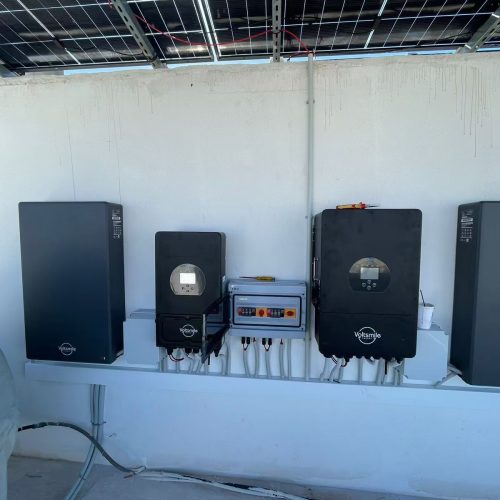
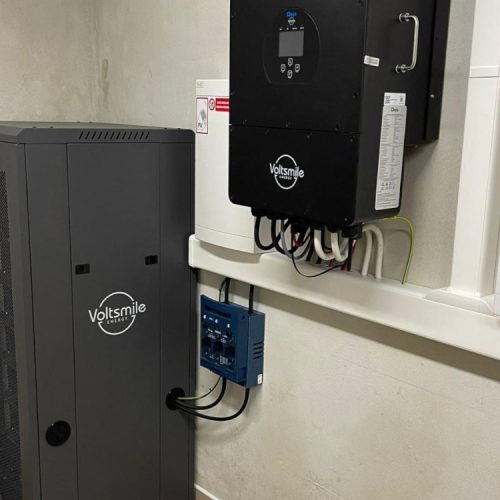
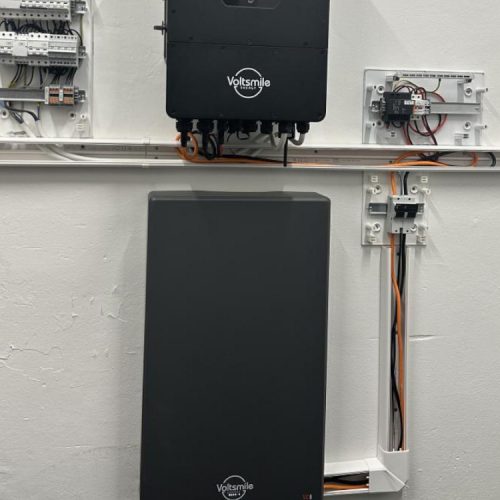
Communication protocol flexibility ensures seamless integration with existing infrastructure. The systems support RS485, CAN bus, Wi-Fi, and 4G/5G IoT modules. Furthermore, they offer plug-and-play compatibility for major hybrid inverters. These inverters include models from Deye, Growatt, and Victron.
Modular Architecture and Scalability
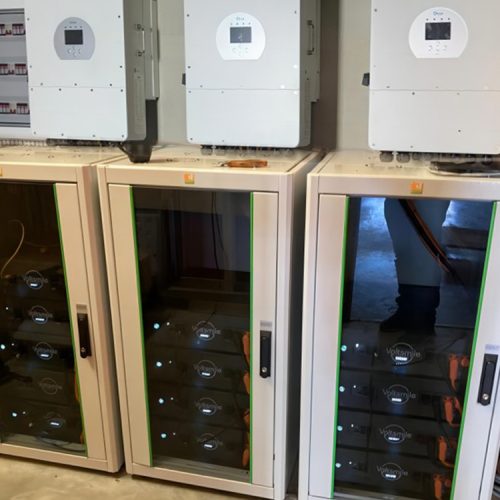
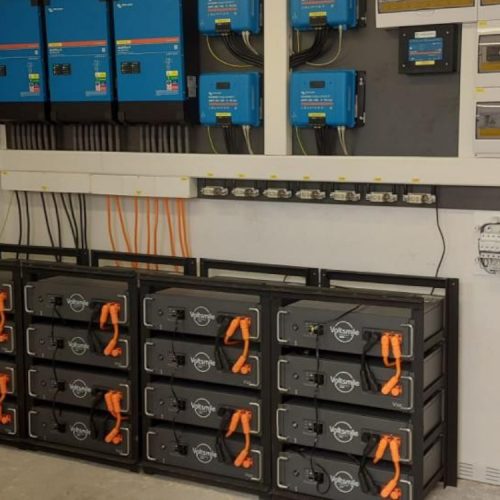
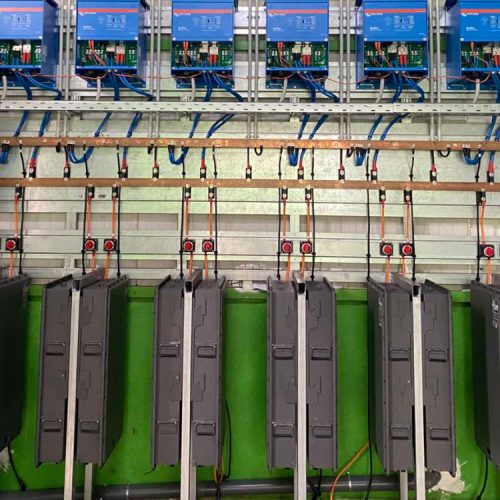
Outdoor energy storage requirements vary enormously across applications. A remote 5G tower may require 10kWh of backup capacity. Conversely, an industrial microgrid supporting a manufacturing facility might demand 500kWh or more. Voltsmile’s manufacturing approach addresses this spectrum through modular all-in-one cabinet designs.
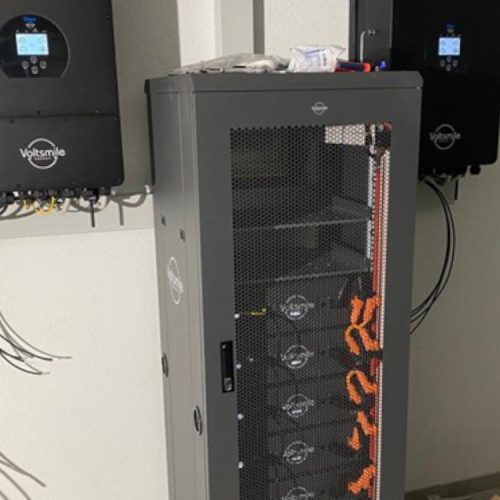
The systems ship as pre-assembled cabinets containing battery racks and BMS components. Additionally, these cabinets include HVAC components and hybrid inverters. This plug-and-play architecture eliminates complex on-site integration work. Consequently, it reduces installation time and labor costs significantly. Capacity can scale from 5kWh to over 500kWh by adding modules.
Voltage configuration options span 48V, 96V, 120V, and high-voltage DC bus arrangements. Lower voltage configurations suit smaller telecom or residential backup applications. High-voltage systems, meanwhile, maximize efficiency for utility-scale outdoor installations. Therefore, customers can optimize configurations for their specific application requirements.
Customization and OEM Services
Voltsmile operates as more than a product manufacturer. The company functions as a strategic manufacturing partner for brands entering the outdoor energy storage market. White-label and OEM services encompass aesthetic customization with specific RAL color options. Furthermore, they include branding integration and communication protocol configuration. Hybrid system design integrates with existing diesel generators or solar arrays.
The customization process follows a structured methodology. Requirements analysis assesses power needs and location conditions. Subsequently, design and engineering phases tailor battery type, capacity, and cooling systems. Prototype testing validates durability and performance before full production begins.
All systems undergo rigorous factory acceptance testing and aging tests. Additionally, vibration simulations replicate global logistics conditions. Certifications include UL1973, IEC62619, CE, and UN38.3. Consequently, these certifications ensure compliance across North American, European, and international markets.
Applications Driving Outdoor Storage Demand
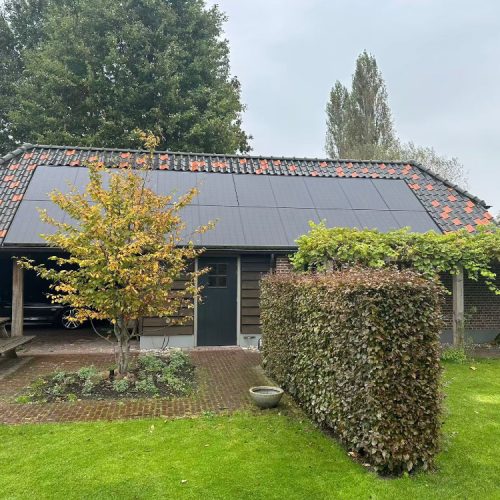
Telecommunications Infrastructure: Remote cell towers and 5G base stations traditionally rely on diesel generators. This costly, carbon-intensive solution requires heavy maintenance. Voltsmile’s outdoor storage systems provide silent, emissions-free backup instead. Furthermore, they integrate with existing solar arrays to reduce diesel consumption by up to 90%.
Integration erneuerbarer Energien: Solar and wind installations in remote locations require storage to manage intermittency. Voltsmile’s weatherproof cabinets enable energy shifting and maximize self-consumption. Moreover, they store excess generation for evening peak demand or grid outage events.
EV Charging Infrastructure: Ultra-fast DC charging stations impose significant demand charges on commercial electricity accounts. Outdoor battery systems buffer these loads effectively. They charge during off-peak hours and discharge to support fast-charging sessions. Consequently, this avoids triggering utility demand penalties.
Industrial Microgrids and Off-Grid Operations: Factories and data centers in areas with unreliable grid service benefit from island-mode capability. The outdoor storage systems provide seamless transition during grid outages. Therefore, they maintain critical operations without interruption.
Manufacturing Excellence and Global Support
Voltsmile maintains headquarters in Shenzhen, China, with production facilities in Huizhou, Jiangxi, and Dongguan. The company benefits from vertical integration through its parent organization. This parent, Shenzhen Londian Wason Holdings Group, ranks among the world’s largest copper foil manufacturers. Its partnerships span LG, SK, Panasonic, and Tesla.
This supply chain integration provides access to high-quality cell sources. Additionally, it delivers competitive pricing structures that independent assemblers cannot match. Market centers in Amsterdam and Düsseldorf ensure responsive support for European customers. Furthermore, 24/7 technical assistance extends across all continents.
Conclusion: The Outdoor Energy Storage Imperative
Climate change intensifies extreme weather events and strains grid infrastructure. Therefore, deploying reliable power outdoors becomes not merely convenient but essential. Voltsmile’s manufacturing capabilities address this imperative through a comprehensive approach. Weatherproof construction survives environmental extremes. LiFePO4 chemistry delivers decade-plus service life. Intelligent management enables remote operation. Modular architecture scales from kilowatts to megawatts.
For businesses seeking to integrate outdoor energy storage, Voltsmile offers a technological foundation. Moreover, the company provides the manufacturing partnership necessary to succeed. Consequently, Voltsmile stands ready to power an increasingly electrified world.