

Battery Storage in China: The Future of Energy Solutions by Voltsmile
Einführung
China has emerged as a global leader in battery storage technology, driven by its commitment to renewable energy integration, grid stability, and carbon neutrality. As the demand for efficient energy storage solutions grows, companies like Voltsmile are at the forefront of innovation, providing cutting-edge battery storage systems tailored for industrial, commercial, and residential applications. This article explores China’s battery storage market, key trends, technological advancements, and how Voltsmile is shaping the future of energy storage.

1. The Rise of Battery Storage in China
China dominates the global battery storage industry due to its massive investments in renewable energy and energy storage infrastructure. Key factors driving this growth include:
- Government Policies & Incentives: Chinas 14. Fünfjahresplan (2021-2025) emphasizes energy storage development, with targets to install 30 GW of new energy storage capacity by 2025.
- Integration erneuerbarer Energien: With the world’s largest solar and wind capacity, China requires efficient battery storage to manage intermittency and stabilize the grid.
- Electric Vehicle (EV) Boom: The rapid expansion of China’s EV market fuels demand for lithium-ion batteries, driving down costs and improving storage efficiency.
2. Key Battery Storage Technologies in China
China’s battery storage sector is powered by multiple technologies, each serving different applications:
A. Lithium-Ion Batteries (Li-ion)
- Dominant in both EVs and grid storage aufgrund der hohen Energiedichte und der sinkenden Kosten.
- CATL, BYD, and Voltsmile lead in manufacturing advanced Li-ion solutions.
B. Flow Batteries
- Ideal für long-duration storage (e.g., vanadium redox flow batteries).
- Used in large-scale renewable projects to ensure grid stability.
C. Sodium-Ion Batteries
- Emerging as a cost-effective alternative to lithium, reducing reliance on rare materials.
- Unternehmen wie CATL are commercializing sodium-ion batteries for mass deployment.
D. Solid-State Batteries
- The next frontier in energy storage, offering higher safety and energy density.
- China is investing heavily in R&D to accelerate commercialization.
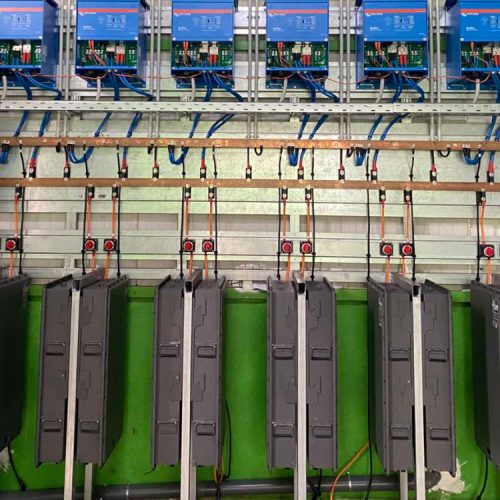
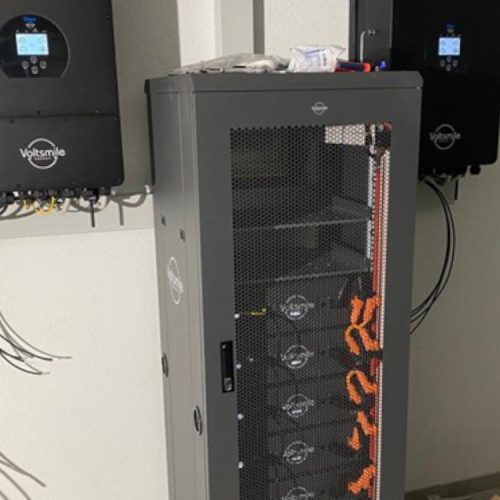
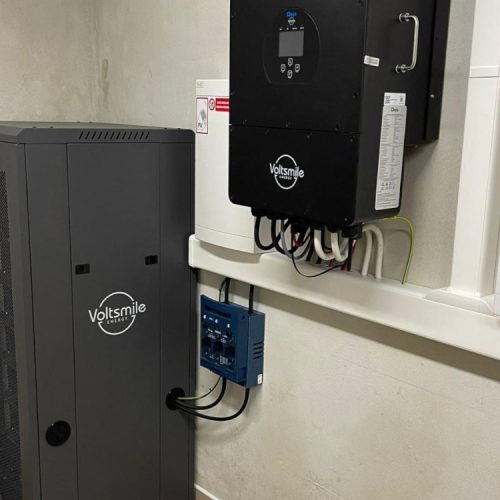
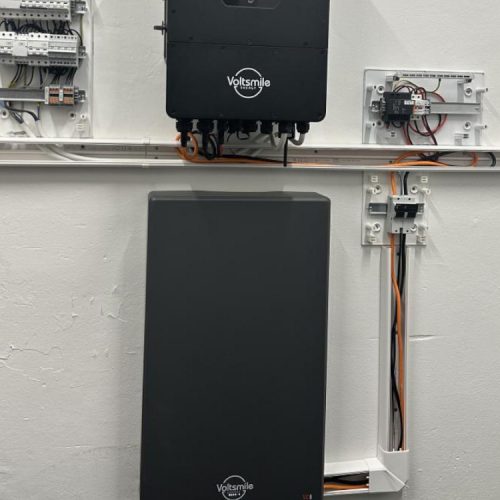
3. Voltsmile’s Role in China’s Battery Storage Revolution
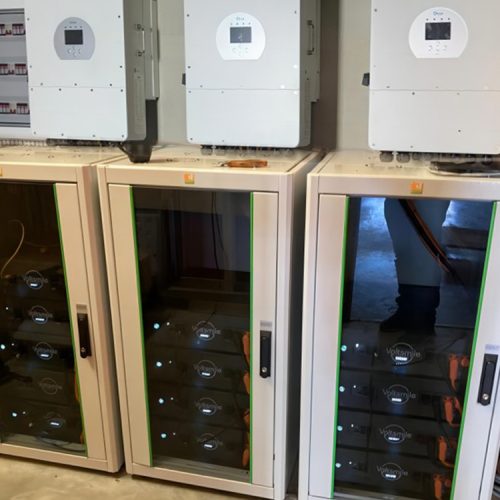
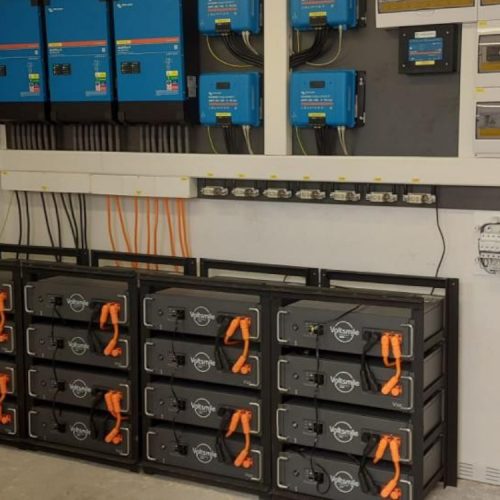
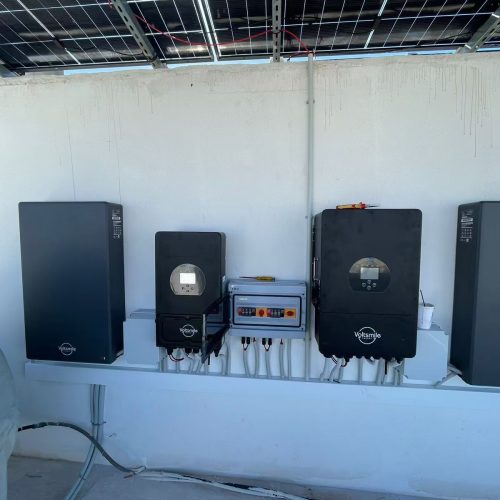
As a leading innovator in energy storage, Voltsmile bietet smart, scalable, and sustainable battery solutions tailored for diverse applications:
A. Industrial & Utility-Scale Storage
- Stabilisierung des Netzes for renewable energy farms.
- Rasierspitzen to reduce electricity costs for factories.
B. Commercial & Residential Solutions
- Solar + Storage systems for businesses and households.
- Notstromversorgung für kritische Infrastrukturen.
C. Advanced Battery Management Systems (BMS)
- KI-gesteuert battery optimization for longer lifespan and efficiency.
- Fernüberwachung for real-time performance tracking.
4. Herausforderungen und Zukunftsaussichten
Despite rapid growth, China’s battery storage market faces challenges:
- Supply Chain Constraints: Dependence on lithium and cobalt raises cost and sustainability concerns.
- Regulatory Hurdles: Standardizing safety and performance metrics remains a priority.
- Recycling und Nachhaltigkeit: Developing closed-loop battery recycling is crucial to minimize environmental impact.
Future Trends:
- Integration von AI und IoT: Smarter energy management through predictive analytics.
- Second-Life-Batterien: Repurposing EV batteries for stationary storage.
- Globale Expansion: Chinese firms like Voltsmile are exporting storage solutions worldwide.
Schlussfolgerung
China’s battery storage industry is transforming the global energy landscape, and Voltsmile is at the heart of this revolution. By leveraging cutting-edge technology, government support, and sustainable practices, Voltsmile delivers zuverlässige, effiziente und umweltfreundliche Energiespeicherlösungen for a greener future.
For businesses and individuals looking to adopt advanced battery storage systems, partnering with Voltsmile gewährleistet optimal performance, cost savings, and environmental benefits.